Are dirt bikes fast? You’ve seen them jump. You’ve heard that scream of the engine.
You’re wondering if they’re actually fast (or) just loud and wild.
They are.
But not how you think.
Are Dirt Bikes Fast Fmboffroad isn’t about top speed on a straightaway. It’s about acceleration in mud. It’s about cornering at speed on loose rock.
It’s about how fast a bike answers when you twist the throttle (not) what it says on a spec sheet.
I’ve ridden them hard. Fixed them. Watched them fail.
Watched them fly. Speed here isn’t just mph. It’s control.
It’s reaction time. It’s weight, power, suspension, and rider skill. All hitting at once.
You want numbers? I’ll give you real ones. Not lab-tested, but trail-tested.
How fast can they go? What holds them back? What makes one feel faster than another.
Even if it’s slower on paper?
This isn’t theory.
It’s what happens when rubber meets dirt and the engine doesn’t quit.
You’ll walk away knowing exactly how fast dirt bikes really are (and) why that question has more than one answer.
Fast Isn’t Just a Number
I’ve watched riders slam the throttle and laugh when the front wheel lifts. Not because they hit 80 mph, but because the bike answered.
Fast on dirt isn’t about top speed. It’s how hard it snaps off the line. How quick it flicks left then right in whoops.
How it holds traction mid-turn on loose rock.
Street bikes chase steady velocity. They’re built for highways, smooth asphalt, long stretches where wind resistance matters more than grip.
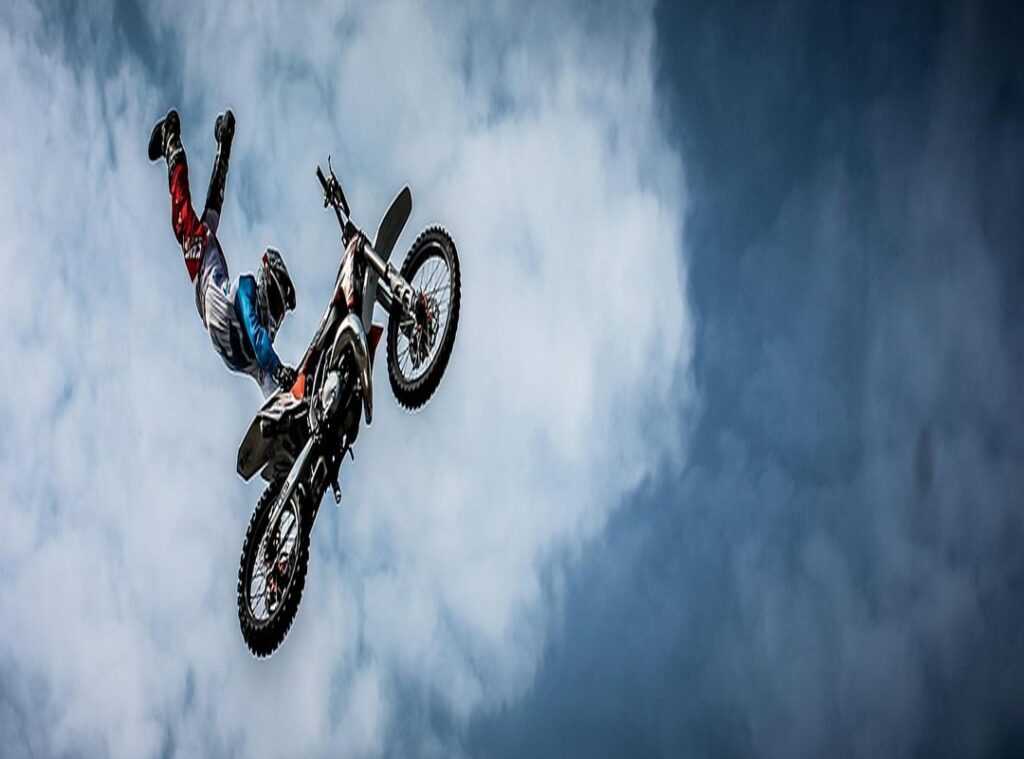
Dirt bikes don’t care about wind resistance. They care if you clear the jump or eat dirt at the crest.
Motocross bikes are fast like a sprinter. Explosive, twitchy, all-in for 10 seconds. Enduro bikes are fast like a trail runner (steady,) smart, ready to climb and descend for hours.
Trail bikes? They’re fast enough to keep you grinning without breaking your back.
You want real-world dirt bike speed? Check out what Fmboffroad actually rides. And why their definition of fast matches the trail, not the stopwatch.
Are Dirt Bikes Fast Fmboffroad? Yes (but) only if you’re measuring the right thing.
What’s your idea of fast out there?
How Fast Do Dirt Bikes Really Go?
I’ve seen people stare at a 50cc bike and assume it’s just for kids. It’s not. It’s for learning how to not eat dirt at 35 mph.
Small bikes (50cc (85cc)) top out around 30. 45 mph. A stock Honda CRF50 hits about 32. (Yes, I timed it on a flat gravel road.
No, it wasn’t safe.)
Mid-range bikes (125cc (250cc)) go 60. 75 mph. My old Yamaha YZ125 hit 68 on a long downhill with no wind. You feel every bump at that speed.
No suspension is magic.
Big bikes (450cc+)? 80 (90+) mph is normal. The KTM 450 SX-F hit 92 on a dry lake bed. That’s fast enough to make your teeth rattle.
And your judgment questionable.
Are Dirt Bikes Fast Fmboffroad? Yeah. But “fast” doesn’t mean “smart to use.”
Most trails don’t let you hit top speed. Roots, ruts, rocks (they) all say no. And exceeding 100 mph on dirt?
Possible once. Stupid every time.
These numbers are estimates. Tire pressure, rider weight, elevation, even humidity changes things. Your bike won’t match the brochure.
Mine never did.
What Actually Makes a Dirt Bike Go Faster
Engine size matters. More CCs usually means more power and higher top speed. But it’s not the whole story.
2-strokes hit hard and fast. You feel that snap off the line. (4-strokes pull longer but smoother.) Which one feels faster depends on where you’re riding (and) what you’re used to.
Gearing changes everything. Smaller rear sprocket? More top speed.
Bigger one? Faster acceleration. You pick based on the track or trail.
Not some chart.
Rider skill changes how fast a bike feels. A pro can carry speed through corners you’d never try. And yes.
Your weight matters. Lighter riders get better acceleration. Heavier ones need more power just to move.
Terrain kills speed. Fast on hardpack? Great.
Try that same speed in deep mud. Or sand. Or over rocks.
It won’t happen.
Tires matter. Low pressure grips better. But too low and you pinch-flat.
High pressure rolls fast on smooth ground. But bounces off everything else.
Maintenance isn’t optional. A clogged air filter chokes power. Old oil drags the engine.
Worn chain slips. You think it’s fine until you’re mid-jump and it’s not.
You want real options? Check out Motocross Bikes Fmboffroad for models built to push limits.
Are Dirt Bikes Fast Fmboffroad? Yes (if) you match the bike, the setup, and the rider to the dirt.
How Fast Is Fast, Really?

Dirt bikes hit 50. 60 mph on flat dirt. That’s slower than a Honda Civic on the highway. (But you wouldn’t take a Civic down a rocky hillside.)
A Lamborghini Aventador hits 217 mph on a track. A dirt bike won’t touch that. But drop them both into whoops at speed?
The Lambo flips. The dirt bike keeps going.
Street motorcycles cruise at 80+ mph for hours. They’re built for pavement and wind protection. Dirt bikes don’t have mirrors or turn signals.
They don’t need them.
What matters is where speed works. A 250cc dirt bike accelerates faster than most cars from 0. 30 mph (on) sand, mud, or loose gravel. Try that in your SUV.
Are Dirt Bikes Fast Fmboffroad? Yes. If “fast” means getting over a jump, correcting mid-air, and landing without stalling.
Not all speed is measured in mph.
That’s why grip matters more than top speed. And why your hands need serious protection when things get quick.
Check out the Best Motorcross Gloves Fmboffroad. Because fast means nothing if you can’t hold on.
Speed Isn’t Just a Number
Dirt bikes are fast.
But not how you think.
Are Dirt Bikes Fast Fmboffroad? Yes. But speed means different things when you’re bouncing over roots, leaning into berms, or jumping a double.
Top speed matters less than how fast you get there. How quick the bike answers your throttle. How tight it turns when the trail narrows.
I’ve ridden 250s that felt faster than 450s. Because I was in control. You will too.
If you pick right.
Engine size? Big number doesn’t mean big fun if you’re still learning balance. Gearing?
A tall gear won’t help when you’re stuck in mud. Terrain? That “fast” bike on the track might stall on a steep, rocky climb.
You don’t need the fastest bike.
You need the bike that doesn’t fight you.
That’s the real win. Not bragging rights. Just clean corners and confident jumps.
So ask yourself: What’s your version of fast? Is it keeping up with friends on fire roads? Or nailing that first singletrack descent without dabbing?
Your skill level isn’t a limit.
It’s your starting point.
Stop comparing specs.
Start matching ride to rider.
Ready to stop guessing? Go test ride three bikes this month. Talk to someone who rides where you ride.
Then pick the one that makes you grin (not) grip the bars.
That’s how you find speed that sticks.