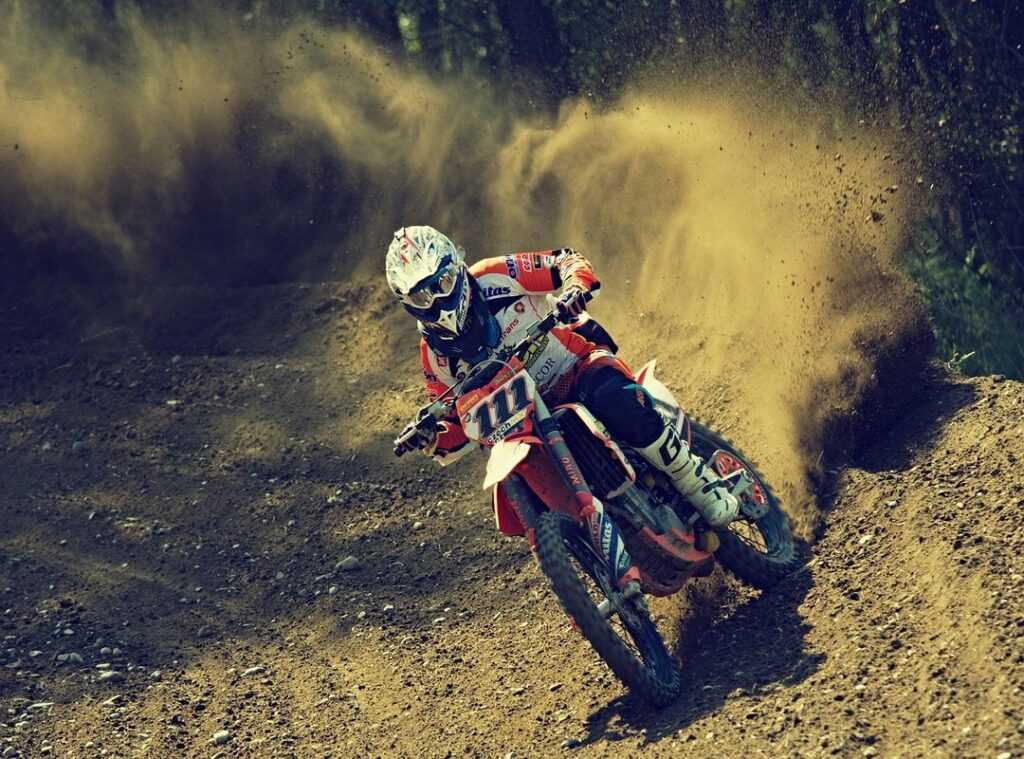
I’ve picked the wrong motocross bike before.
It sucked.
You’re staring at a wall of bikes online or in a showroom and wondering which one won’t embarrass you on the first turn. Too big? Too heavy?
Too much power for your skill level? Yeah, that’s real.
There are too many Motocross Bikes Fmboffroad out there.
And most guides either talk down to beginners or assume you already know what a reed valve does.
I’m not doing that.
This isn’t about specs alone. It’s about matching the bike to you (your) height, your experience, the dirt you ride on. Mud?
Sand? Tight woods? Open desert?
Each needs something different.
Beginner? You don’t need 450cc right away. Experienced?
Maybe you’re bored with your current setup and want something sharper.
I’ll cut through the noise. No jargon. No hype.
Just straight talk on engine size, suspension, weight, and why seat height matters more than you think.
You’ll walk away knowing exactly what to test-ride. And what to walk away from.
That’s the point.
2-Stroke vs. 4-Stroke: Which One Actually Fits You?
I’ve wrecked both. I’ve loved both. And I’ve watched beginners stall a 2-stroke on the starting line while a 4-stroke just chugs forward.
You want the real difference? A 2-stroke fires every time the piston goes up and down. A 4-stroke fires only every other downstroke.
Intake, compression, power, exhaust. That’s it.
2-strokes are lighter. Simpler. No valves.
Just piston, cylinder, and reed cage. Power hits fast and sharp. Like snapping a whip.
Great for tight tracks or riders who know how to ride the clutch and rev it hard. (But yes, they’re louder and smoke more.)
4-strokes weigh more. They’ve got valves, cams, oil pumps. Power rolls on smooth.
Torque pulls you out of corners without revving into the red. Easier to learn on. Better for trails or long rides where fatigue matters.
Maintenance? 2-strokes need top-end rebuilds every few hours. Cheap parts. Easy to do yourself. 4-strokes last longer between services.
But when they need work, it costs more and takes longer.
New rider? Start with a 4-stroke. It won’t punish every mistake.
Aggressive racer who loves throttle response? Try a 2-stroke. Or better yet.
Test both.
Check out the Motocross Bikes Fmboffroad lineup if you’re ready to compare side by side.
Cost isn’t everything. Ride feel is. What do you want your bike to do?
Size Matters More Than You Think
I’ve seen kids wobble off a bike they couldn’t stop. I’ve seen adults stall out trying to lift a 450 they weren’t ready for. Wrong size kills confidence before it even starts.
Seat height is non-negotiable. You need both feet flat on the ground, not just toes. If you’re tiptoeing, you’re already fighting the bike (not) riding it.
Engine size follows age and skill (not) just age. 50cc for 6. 10 year olds who’ve never ridden dirt. 85cc for strong 11 (14) year olds with real track time. 125cc or 250cc for most teens stepping up. 450cc? Only if you’ve logged serious hours and know how to brake, corner, and recover.
Weight matters too. A heavy bike won’t fall over (but) it will pin your leg. Lighter bikes teach balance faster.
Even if your buddy says “they’ll grow into it.”
They won’t. They’ll quit.
Start small. Always. Even if your kid begs for a 450.
Motocross Bikes Fmboffroad aren’t one-size-fits-all.
Fit the rider. Not the brochure.
What You’ll Actually Ride
I pick bikes based on where I ride (not) what looks cool in a magazine.
Track racing? You want stiff suspension and a punchy engine. No fluff.
Just raw power that hits hard and fast. (You’re not hauling gear. You’re trying to win.)
Trail riding? Different story. You need electric start because nobody likes kicking a bike uphill at 7 a.m.
A headlight matters when you lose track of time. And softer suspension saves your wrists on rooty, rocky two-tracks.
Desert riding? Big tires. Long travel suspension.
Air forks help. But only if you know how to set them up. (Spoiler: most people don’t.)
Mud? Narrower front tire cuts better. Stiffer rear suspension keeps the bike from wallowing.
Sand? You want float. Wider rear tire.
Softer suspension. More throttle control.
Backyard fun? Keep it light. A 125cc two-stroke or 250cc four-stroke works fine.
Don’t overthink it.
Your terrain decides your setup (not) the other way around.
If you’re still stuck, check out the Dirt Bike Guide Fmboffroad. It breaks down real-world tradeoffs.
Motocross Bikes Fmboffroad aren’t built for everything. They’re built for one thing well.
What’s your main ride zone? Not what you hope to do. Not what your buddy does.
What do you actually do (most) weekends?
Suspension, Brakes, and Fit Matter More Than You Think
I’ve eaten dirt because my suspension couldn’t handle a whoop. Not once. Not twice.
Good suspension keeps you planted. It soaks up bumps instead of bouncing you into the air. Control starts there (not) in your wrists or your throttle hand.
Air forks adjust with a pump. Spring forks need a wrench and patience. I prefer air for quick changes.
But only if the fork seals don’t leak (they often do).
Brakes? You need them to stop. Not just slow down.
A weak lever feels like squeezing wet cardboard. Disc brakes are standard now. And thank god for that.
If it’s not hydraulic, walk away.
Ergonomics aren’t optional. My knees hit the tank on one bike. My wrists screamed on another.
Handlebar height, footpeg angle, seat shape (they) all change how tired you get after ten minutes.
Kickstart bikes suck when it’s 45°F and you’re solo at the track. Electric start wins every time.
Fuel injection beats carburetors in cold weather and high altitude. No choke dance required.
Aftermarket parts? Check if triple clamps or exhausts bolt on easy. Some bikes lock you into one brand’s space.
Don’t get locked in.
You want speed? Fine. But first.
Can you land without wobbling? Can you scrub speed before that corner? Can you ride for thirty minutes without cramping?
That’s where real performance lives.
Curious how fast these things actually go? Are dirt bikes fast fmboffroad breaks it down without the hype.
Ready to Ride?
I know choosing Motocross Bikes Fmboffroad felt like guessing in the dark. Too many options. Too much jargon.
Too much pressure to pick right.
You don’t need more specs. You need clarity. That’s why engine type, sizing, your actual skill level, and how you’ll ride.
Not what looks cool (matter) most.
I’ve been there. Stood in a dealership staring at bikes that all looked the same until I sat on one. Then everything changed.
So stop overthinking it. Go talk to a real person at a local dealer. Ask to sit on three different models.
Feel the weight. Check the seat height. See what fits you.
And never skip safety gear. Not once. Not ever.
Your knees and shoulders will thank you later.
Now get out there. Try one. Ride one.
Decide from experience (not) brochures.
What’s stopping you from calling a dealer today?