Solid State Batteries Are Nearing Prime Time
Lithium ion has been king for decades, but the crown is getting wobbly. Solid state batteries are on the verge of breaking through, with Toyota, QuantumScape, and Samsung SDI all doubling down on research and development. Their goal? Eliminate liquid electrolytes, which are flammable and degrade over time, and replace them with solid materials that are safer, sleeker, and more efficient.
The benefits are tangible. These new batteries charge faster, last longer, and offer higher energy density all while reducing the risk of overheating or fire. That’s a big deal for drivers and manufacturers alike. It means smaller battery packs, extended driving ranges, and potentially cheaper long term maintenance.
Still, scaling up to mass production isn’t plug and play. Manufacturing costs remain steep, and making solid state batteries at volume without defects is a technical hurdle no one’s fully cleared yet. Supply chain complexities and equipment overhauls don’t help.
That said, we’re closer than ever. Some auto brands are hinting at commercial EVs with solid state batteries hitting the road as soon as 2025. Until then, it’s a race one that could reshape the future of electric mobility.
Ultra Fast Charging Infrastructure
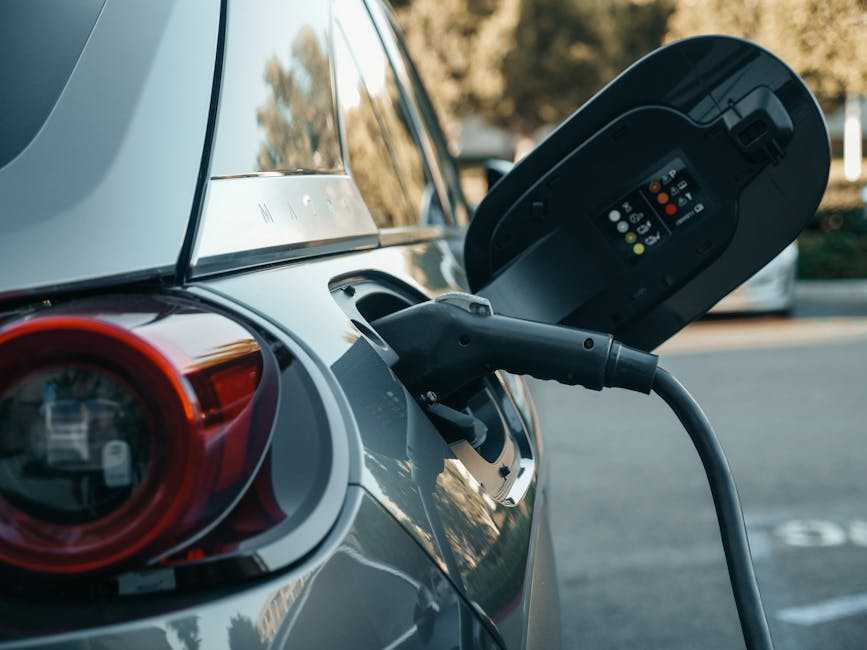
The push toward 800V systems isn’t some niche experiment it’s quickly becoming the norm for next gen EVs. And for good reason. These high voltage architectures dramatically cut down charging times, in some cases dropping below the 10 minute mark for an 80% top up. That’s coffee break fast, and it’s what’s making EVs way more practical for real world drivers.
But speed introduces stress. The grid isn’t built to handle thousands of ultra fast chargers all juicing up at once. That’s why backend tech is evolving just as quickly. Smart load balancing and dynamic energy management are key to making sure cities don’t go dim every time someone plugs in their sedan.
There’s more happening under the hood too. Vehicle to grid (V2G) is no longer vaporware. Pilot projects are turning into full scale rollouts. This means EVs aren’t just demanding power they can give it back. During peak demand, your plugged in car could kick energy back into the grid, acting like a mobile battery for the neighborhood.
Put simply: charging tech isn’t just progressing it’s reshaping how we think about electricity, mobility, and infrastructure all at once.
Next Gen Electric Motors
Electric motors haven’t just evolved they’ve been reengineered from the inside out. Axial flux motors are leading the charge, literally. They’re thinner, lighter, and more efficient than traditional radial designs, giving automakers more freedom with packaging and design. Since the magnetic flux flows along the axis (instead of radially), these motors crank out higher torque density. That translates to better performance without ballooning energy consumption.
In wheel motors are also gaining traction, especially for niche EV builds and modular designs. By moving power delivery to the wheels themselves, they free up space under the hood and along the chassis. This isn’t just a stylistic twist it allows for more battery, more storage, or just a flatter floor. Fewer moving parts, too, which means less wear over time.
Lightweighting continues to matter. New aluminum alloys and carbon composites are being used in the motor housing, slicing off vital kilograms that would otherwise drag down range. Cooling is getting smarter as well. More compact motors produce more heat per volume. So manufacturers are refining thermal pathways and using advanced cooling jackets to pull heat out fast, without bulking up the system.
These aren’t fringe tweaks. They push powertrains toward the next plateau: making EVs both high performance and mass market ready. For a closer look, check out this rundown of the latest breakthroughs:
new ev motor tech
Smart Energy Management Software
What used to be manual guesswork is getting a brain boost. AI is now baked into EVs, using real time data to optimize routes, monitor battery health, and make smarter decisions for drivers without asking. You’re not just driving smarter you’re driving cheaper.
Route optimization runs deeper than GPS. It factors in elevation, traffic, speed, and battery wear to stretch every charge. Meanwhile, constant battery diagnostics mean early warnings for wear, avoiding costly breakdowns and keeping total cost of ownership in check.
Over the air (OTA) updates are another game changer. No trips to the shop your EV patches in fixes and updates while parked in the driveway. OEMs are pushing fuel saving algorithms, better battery control, and smoother performance post purchase. In a market where margins matter and range sells, smart energy management isn’t a luxury it’s the new baseline.
Thermal Management Innovation
As EVs push into faster charging and longer drives, thermal management isn’t just a technical detail it’s a make or break factor. Batteries and power electronics generate serious heat, especially under high loads or during rapid charging. If things heat up too much, performance drops, safety risks rise, and battery longevity tanks.
That’s why the latest push in EV design is focused on smarter, more efficient thermal systems. One key player? Phase change materials. These advanced compounds absorb and store excess heat during peak operation, releasing it slowly as systems cool a passive but highly effective buffer. Paired with improved heat pumps that now pull double duty for cabin climate and drivetrain cooling, today’s systems are lighter, more responsive, and less power hungry.
All of this feeds back into range, safety, and lifespan. Cooler batteries degrade slower. Smarter cooling systems mean fewer breakdowns and better efficiency. As EV tech matures, expect thermal management to quietly become one of the biggest performance boosters behind the scenes.
Lightweight, Sustainable Materials
When it comes to squeezing more range out of every charge, shedding pounds is key. Automakers are turning to carbon fiber reinforced polymers and advanced bio material blends to slim down EVs without sacrificing strength or safety. These materials cut weight, which directly improves efficiency and extends vehicle range critical in a market where every extra mile per charge matters.
But this push for lightweighting isn’t just about performance. It’s also about sustainability. Traditional materials like aluminum and steel are energy intensive to produce and recycle. Carbon fiber composites and plant based alternatives offer a lower environmental footprint, though they still come with their own production hurdles.
The balancing act for automakers? Innovate without creating long term waste problems. Recyclability, material sourcing, and lifecycle impact are now front and center in design decisions. The result is a smarter, leaner generation of EVs that perform better and leave less behind.
The Bottom Line
Forget marginal gains. The EV tech coming down the pipeline is set to shift the ground under everyone’s wheels. We’re talking major leaps not just in how electric vehicles perform, but in how people live with them day to day. Faster charging means less waiting around. Smarter energy management makes every mile more efficient. And next gen motors? They pack more punch, weigh less, and unlock design possibilities we haven’t fully tapped yet.
This isn’t window dressing or incremental change. It’s a stacked deck of innovations that’ll make EVs more accessible, practical, and appealing for more people. Automakers that stay ahead of this curve will dominate. Ones that don’t? They’ll be playing catch up for years.
Want to see where one key part of this shift the motor revolution is going? Start here: new ev motor tech.