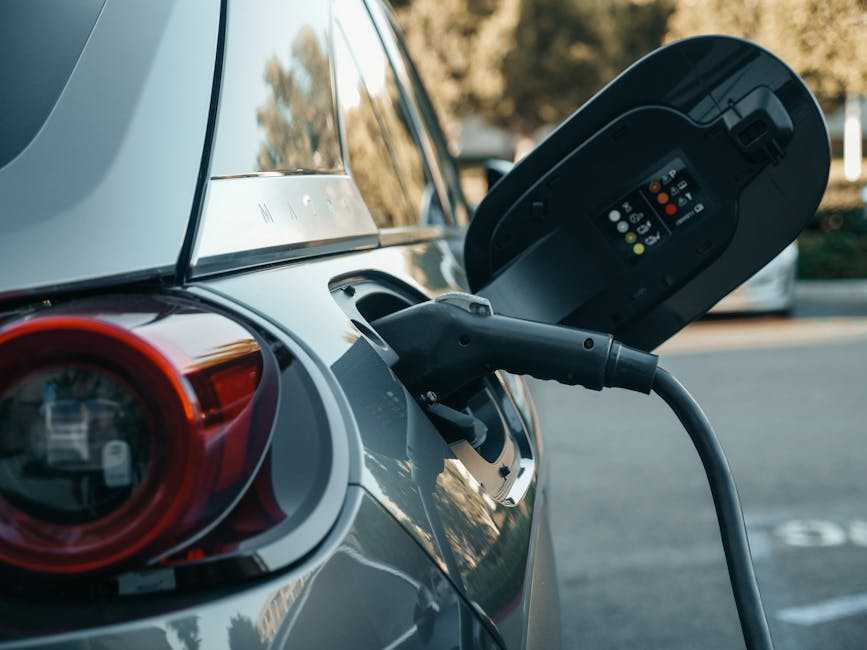
What’s Driving the Shift Toward Fast Charging
Fast charging is no longer a luxury it’s the expectation. As EV ownership becomes mainstream, people simply don’t want to wait around for hours to get back on the road. The old fear of running out of battery, or “range anxiety,” is fading. What drivers are asking now is, “How fast can I top off and keep moving?”
Urban environments are answering that question with speed. City planners and private developers are building infrastructure with fast charging baked in, from curbside units to high powered stations in parking garages and supermarkets. In dense urban centers, dwell time matters. Nobody wants to babysit their EV. The goal is plug in, recharge, get out.
Interestingly, the conversation is shifting from battery range to charging convenience. A massive battery that takes forever to charge isn’t as attractive as a modest one that can refill in minutes. Speed is becoming the feature that sells, and automakers are taking notes. Consumers care less about theoretical range and more about how quickly they can recover what they need. It’s about staying mobile, not maxing out range buffers.
Convenience wins. And fast charging is shaping the rules.
Core Technology That Makes It Possible
Fast charging isn’t magic it’s engineering. The backbone of this leap is high voltage architecture, with 800V systems now becoming the standard for next gen EVs. That extra voltage means more power can be moved more quickly without frying your battery or the cable.
Speaking of cables, liquid cooling is the unsung hero. As current ramps up, so does heat. Advanced thermal management in charging cables keeps things safe, efficient, and surprisingly compact. Without smart cooling systems, your 350kW ultra fast charger would overheat before your battery even hits 20%.
On the battery side, lithium ion chemistry continues to evolve. Manufacturers are focusing on lower resistance and higher thermal tolerance to handle fast charging without rapid degradation. The days of choosing between speed or battery health are slowly fading.
Companies like Tesla, Porsche, and Hyundai are pushing the envelope with vehicles built for this infrastructure. At the same time, suppliers like ABB and ChargePoint are rolling out hardware that supports these ultra fast sessions in public networks.
For a deeper dive, visit our EV Fast Charging Guide.
Impacts on Automakers and Infrastructure

Automakers aren’t just building EVs anymore they’re building expectations. And in 2024, that means ultra fast charging is no longer optional, it’s the new baseline. Brands are racing to standardize platforms that can handle 350kW+ speeds without frying cells or freaking out thermal systems. Think fewer plug wars, more interoperability. Tesla’s charging tech might have led early, but now everyone from Ford to Hyundai is getting on board with standards like the NACS connector in North America.
At the same time, charging networks are bulking up. Stations that once topped out at 50kW are being replaced or retrofitted with hardware that pushes 350kW and beyond. This isn’t just about faster road trip stops it’s about scaling for millions of EVs by mid decade. Behind the scenes, private companies and public agencies are teaming up fast. The U.S. federal government has billions on the table through NEVI and related programs. Partnerships between automakers and energy brands like BP, Shell, and Electrify America are rolling out hubs that make old school gas stations look quaint.
This infrastructure wave isn’t fringe anymore it’s baked into strategy. The EV charging race is no longer about who moves first. It’s about who scales smartly and avoids bottlenecks when adoption surges. If your car charges in under 15 minutes but good luck finding a station? That’s a broken promise. Expect those gaps to close fast.
Charging Ahead: Benefits to Drivers
Fast charging is doing more than saving drivers time at the plug it’s fundamentally changing how and where people drive EVs. As the technology matures, it’s making longer trips more realistic, alleviating common concerns for new buyers, and simplifying the EV ownership experience.
Faster Charging as a New Standard
Once considered a premium feature, ultra fast charging is becoming the norm in next gen electric vehicles.
Many new models now offer an 80% charge in 15 20 minutes
Fast charging stations are expanding across highways and urban hubs
Drivers spend less time waiting and more time moving
EVs Without Limits: Road Trips Made Easy
The convenience of fast charging has unlocked a new level of freedom for EV owners who want to travel further without the planning stress.
Major travel corridors are being lined with fast charging stations
Consistent speeds of 150kW 350kW+ reduce downtime during long trips
Intercity EV travel requires fewer charging stops and shorter waits
Smoothing the Path for First Time Buyers
For many considering their first EV, concerns over charge time and range often stand in the way. Fast charging infrastructure is helping eliminate those worries.
Shorter charge times reduce range anxiety
More accessible stations improve overall convenience
Buyers can feel confident relying on EVs for daily use and road trips
For more insights, comparisons, and expert tips, check out our full EV Fast Charging Guide.
What Could Slow It Down
Fast charging is great until the grid says no. One of the biggest hurdles right now is power availability. Rural areas, overloaded urban networks, and even some suburban zones just don’t have the infrastructure to support multiple high watt EV chargers running at once. It’s not just a matter of installing stations it’s about whether the grid behind them can handle the load.
Battery health is another sticking point. Sure, you can get to 80% in under 20 minutes, but that kind of speed puts stress on lithium ion cells. Over time, repeated exposure to high charging currents can lead to faster degradation. Automakers are working to mitigate this with smarter battery management systems, but the risk remains, especially for drivers who rely on fast charging daily.
Then there’s the mess of standards. Not all fast chargers speak the same language. Different connector types, varying payment systems, and incompatible protocols can make charging on the road unpredictable. Until there’s tighter standardization across brands and networks, the experience will stay fractured and sometimes frustrating. The tech is moving fast but alignment across the board has to catch up.
What’s on the Horizon
Fast charging isn’t just getting faster it’s getting smarter and more integrated. First up: bidirectional charging and vehicle to grid (V2G) support. This means your EV won’t just be a battery on wheels. It’ll be part of the energy grid. In a blackout, power your home. When demand peaks, push energy back to the grid and maybe earn a little for it. Some automakers are already baking this in; expect more to follow.
Charging on the move? It’s no longer science fiction. Wireless charging pads are seeing real world pilots from parking spots to slow speed roads wired for energy transfer. The idea is simple: don’t stop to charge, just park or cruise and top up. It removes friction, especially in dense urban zones or delivery fleets where downtime is money.
Then there’s battery tech. Solid state designs and silicon dominant anodes are making buzz for a reason. They’ll cut charge times further, improve range, and reduce degradation. Combine that with smarter charging algorithms and thermal management, and 5 minute pit stops might not be far off.
Stay plugged in fast charging isn’t just another convenience. It’s driving a foundational shift in how we move, fuel, and think about the future of mobility.