I’ve watched too many people buy the wrong dirt bike. Then stall on the first trail. Then sell it six months later at a loss.
You’re not dumb.
The industry is just messy.
Too many specs.
Too many brands pretending their bike is “the one.”
Honestly, too much advice that sounds good until you try it.
This isn’t another glossy brochure full of hype.
It’s the Fmboffroad Dirt Bike Guide From Formotorbikes. Written by someone who’s crashed, fixed, rebuilt, and ridden in every condition imaginable.
You want to know which bike actually fits your size, skill, and local trails (not) what some influencer rode once. You want gear that works (not) what looks cool in a photo. You want maintenance steps that take 20 minutes, not two hours.
So why trust this?
Because I’ve made every mistake so you don’t have to.
By the end, you’ll know exactly which bike to buy. What gear you must wear (and what’s just padding the price). And how to keep your bike running.
Without needing a mechanic’s degree.
No fluff. No jargon. Just what works.
Dirt Bikes Aren’t All the Same
I’ve ridden MX bikes that buck like wild horses and trail bikes that just hum along for hours.
You need to know which kind fits your actual riding. Not some brochure fantasy.
The Fmboffroad guide nails this fast. It’s not theory. It’s what works.
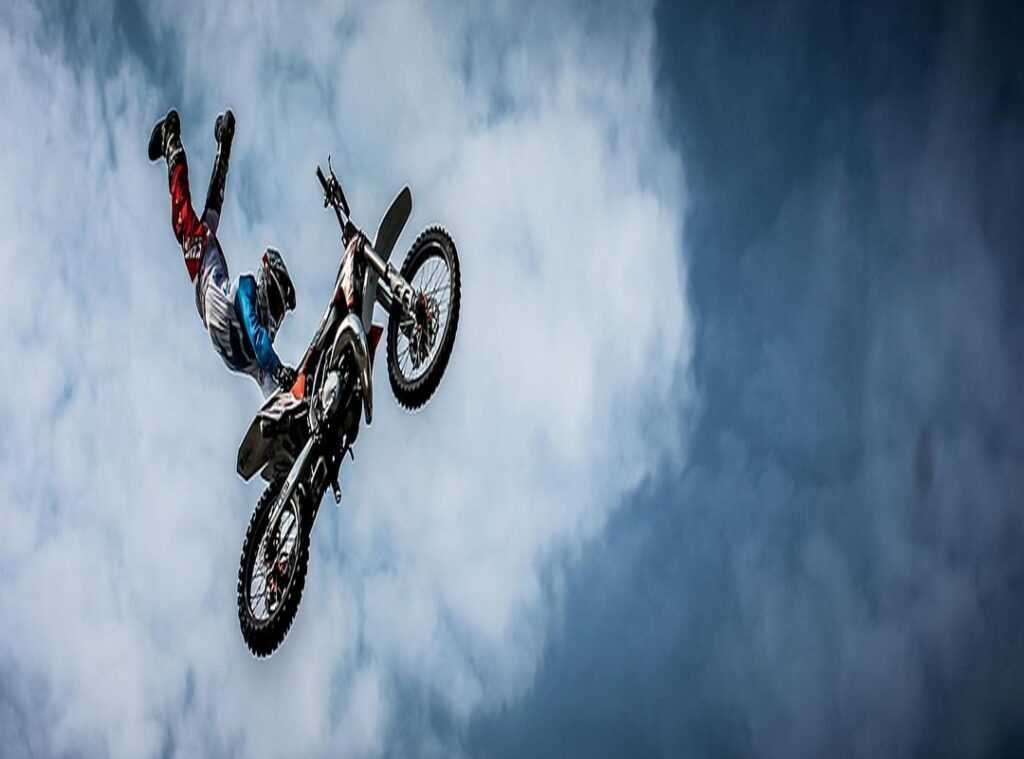
Motocross bikes? Pure race machines. They jump.
They accelerate hard. Their suspension is stiff and precise. They’re terrible on trails.
And that’s by design. (Yes, even if your buddy says otherwise.)
Trail bikes. Enduro or off-road. Are built for real terrain.
Softer suspension. Wider powerband. More comfortable seat.
You ride all day without your wrists screaming.
Dual sport bikes? Street legal and dirt capable. Not perfect at either (but) good enough to go anywhere you want.
Just don’t expect MX-level cornering or highway cruising comfort.
Youth and beginner bikes? Smaller engines. Lower seats.
Lighter weight. Think 50cc for kids just learning. 80cc for teens gaining confidence. 125cc for adults stepping in carefully. They’re not toys.
They’re real bikes with real consequences.
Pick wrong and you’ll quit. Pick right and you’ll ride more. That’s why I always check the Fmboffroad Dirt Bike Guide From Formotorbikes before buying anything.
It cuts through the noise. No fluff. No hype.
Just facts that match real dirt.
What Actually Makes a Dirt Bike Right for You
I started on a 50cc. It was slow. It was dumb.
And it saved my ass.
You want power. I get it. But a 250cc bike will buck you off before you learn to shift.
Rider skill level isn’t a suggestion. It’s the first filter. (And yes, I crashed trying to skip it.)
Are you riding trails in the woods? A lightweight 125cc two-stroke handles roots and ruts better than a heavy track bike.
Hitting motocross tracks? You need suspension that soaks jumps. Not just holds up your weight.
Budget isn’t just the bike. Add $600 for helmet, boots, gloves, chest protector. Then double that for oil changes, chain adjustments, and crash repairs.
Seat height matters more than specs. If you can’t flat-foot it, you’ll drop it. Every time.
Weight matters too. A 220-pound bike is easier to pick up than a 270-pound one. Try lifting both.
You’ll feel the difference.
New bikes come with warranty and zero surprises. Used bikes cost less (but) that $1,200 bargain could hide a bent frame or worn clutch.
I bought used. Got lucky. Also got a $400 carb clean three weeks in.
The Fmboffroad Dirt Bike Guide From Formotorbikes walks through all this without fluff.
What’s your first ride going to be (fun) or frustration?
Gear That Keeps You Riding
I wear a Snell or DOT-approved helmet. Not a bike helmet. Not a skateboard helmet.
A real dirt bike helmet (tight) fit, good airflow, and it stays put when I crash. (Which I have.)
Goggles? Non-negotiable. Dust blinds you faster than you think.
Cheap ones fog. Good ones seal.
Boots aren’t shoes. They lock your ankles. Stop breaks.
Save your feet from rocks and pegs.
Gloves stop blisters and keep your hands on the bars when things get sloppy.
Chest protectors? Yes. Roost stings like hell.
So does hitting a tree. Body armor isn’t for show.
Knee pads help. But real knee braces? Worth it if you ride hard or twist often.
Jerseys and pants? They’re not fashion. They’re tough fabric that slides on bark instead of tearing skin.
You skip one piece, you gamble with something real.
Want to know how gear stacks up against reliability? Check out the Are Honda Mortobikes Reliable Fmboffroad section in the Fmboffroad Dirt Bike Guide From Formotorbikes.
Ride smart. Not fast.
Dirt Bike Maintenance That Actually Works
I check my chain before every ride. Not after. Not on weekends.
Before.
Chain slack matters. Too tight and your rear wheel binds. Too loose and it slaps or jumps.
I use the ruler method. Measure at the swingarm pivot, adjust with the rear axle nuts, then tighten the locknuts. (Yes, you need a torque wrench for that last part.)
Air filters get clogged fast. I rinse mine in kerosene, let it dry, then oil it with proper filter oil (not) WD-40. (That’s not a joke.
People do it.)
Tire pressure? I run 12 psi front / 13 psi rear on hardpack. Mud drops to 10/11.
Sand goes lower. I check with a quality gauge. Not the one built into my cheap floor pump.
Bolts loosen. Every single one. I run through the manual’s torque list with a socket set before and after every session.
Oil changes happen every 5 hours of riding. I drain it hot, replace the filter, refill with JASO-MA2 spec oil. No exceptions.
Brake caliper bolts first. Then footpegs. Then triple clamps.
Brake pads wear faster than you think. I eyeball them (if) lining is under 2mm, I swap. Fluid gets bled every 6 months.
No guessing.
I wash my bike with a garden hose (not) a pressure washer (and) dry it with a rag. Then I spray contact cleaner on all electrical connectors. Rust starts where you ignore it.
This isn’t theory. It’s what keeps me rolling. The Fmboffroad Dirt Bike Guide From Formotorbikes covers this stuff (but) only if you actually do it.
Start Riding Right
I started on a gravel lot behind my uncle’s barn.
You should too.
Find empty land or a real riding area (not) your driveway. Not your neighbor’s yard. (They’ll yell.)
Clutch, throttle, brakes. Learn them before you twist anything. Shift wrong and you’ll stall.
Or worse.
Sit centered. Knees in. Eyes up.
Not down at your front wheel. Balance comes from posture (not) speed.
Go slow until slow feels easy.
Then go slower.
A class costs less than one bent rim.
And it saves you from learning the hard way.
Ride with someone. Always. No exceptions.
Even for five minutes.
The Fmboffroad Dirt Bike Guide From Formotorbikes helped me skip dumb mistakes.
Check out the Fmboffroad guide if you want straight talk (not) fluff.
Time to Ride
I’ve been there. You stare at the trailhead. Heart pounding.
Wondering if you’re ready. You are.
The Fmboffroad Dirt Bike Guide From Formotorbikes gave you what matters. Not fluff, not theory. Just clear steps.
Right bike. Full gear. Simple maintenance.
That hesitation? It’s not about skill. It’s about trust.
Trust the guide. Trust yourself.
So stop reading. Start riding.
Grab your helmet. Fire up the bike. Hit the dirt (today.)