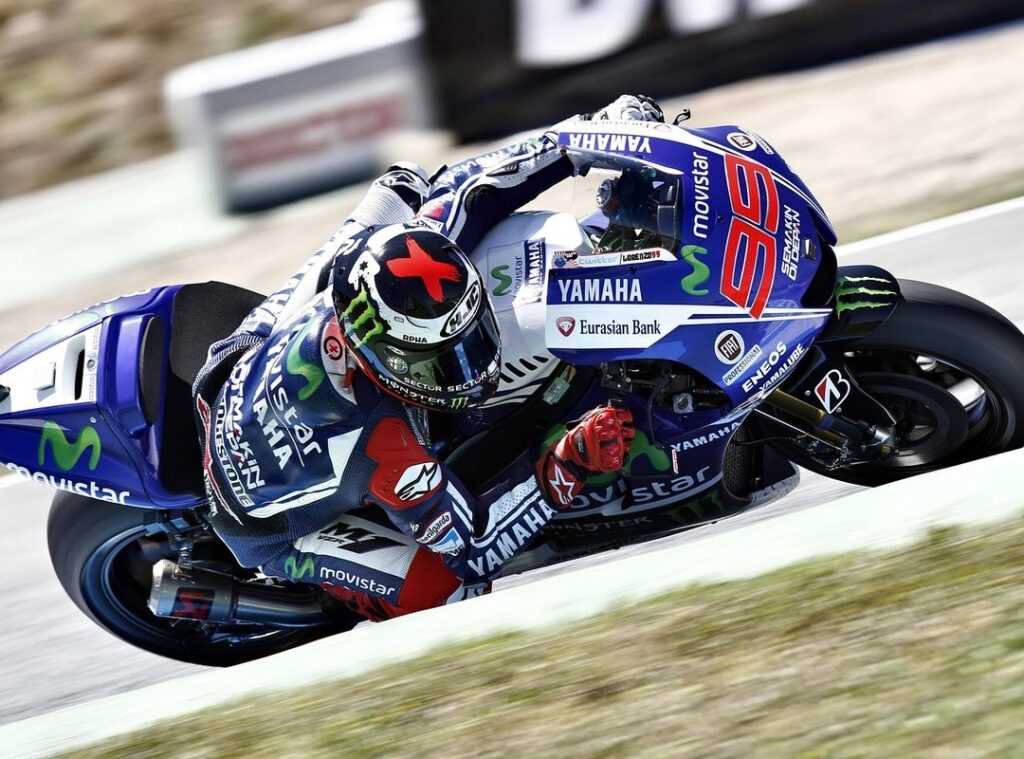
The roar of a motorbike engine isn’t just sound. It’s tension, speed, and real danger. I’ve stood trackside when riders lean so far they scrape knee sliders on asphalt.
You feel it in your chest before you hear it.
So how did we get here? How did motorbike racing start? That question. How Motorbike Racing Started Fmbmotoracing.
Isn’t just trivia. It’s the key to understanding why this sport still grabs us.
This article tells the real story. No myths. No polished legends.
Just how ordinary bikes became weapons of competition (and) how riders risked everything before there were helmets that worked.
Early racers didn’t have data screens or carbon fiber. They had wrenches, guts, and a need to go faster than anyone thought possible. They raced on dirt roads.
They crashed. They rebuilt. They invented rules as they went.
That messy, stubborn beginning shaped every lap you watch today.
You’ll see how limits got pushed. Not for glory, but because someone had to know what the machine (and the rider) could really do.
Read this, and you won’t just know where motorbike racing came from.
You’ll understand why it still matters.
How Motorbike Racing Started Fmbmotoracing
I saw the first motorcycles up close in a museum last year. They looked like bicycles with engines bolted on. Clunky, loud, and barely road-ready.
They weren’t built for racing. Not even close. (They were built so people could get somewhere faster than a horse.)
The Daimler Reitwagen? That 1885 thing with wooden wheels and a hot-tube ignition? It was basically a metal frame with fire strapped underneath.
People called it a “riding car.” I’d call it terrifying.
Steam came first. Then gasoline took over because it weighed less and didn’t need a boiler. Early riders didn’t wear helmets.
They wore hats. And probably regretted it.
Once you put an engine on two wheels, someone will try to go faster than their neighbor. It’s human nature. Not engineering.
Those first “races” weren’t at tracks. They were dust-road challenges between two guys who both owned motorized bikes. One said “mine goes faster.” The other said “prove it.”
No flags. No timing clocks. Just pride and a straight stretch of dirt.
That messy, unregulated energy is where real racing began. Not in stadiums. Not in sponsorships.
In backroads and barnyards.
If you want to see how that raw spirit lives today, check out Fmbmotoracing.
Speed wasn’t the goal at first. It was just getting there. Then it became everything.
Roads Were Not Tracks
I watched old photos of riders on cobbled streets. They dodged carts. They swerved around dogs.
That was racing in 1896. No flags. No start line.
Just a shout and go.
I’m not sure how anyone survived those early reliability trials. You’d ride 50 miles on a bike that vibrated your teeth loose. And people paid to watch.
Then someone said: Let’s close a field.
So they did. A dirt oval near Paris. One lap.
Ten riders. No rules except “don’t kill each other.”
Public roads got too dangerous. Too many near-misses. Too many lawsuits.
Tracks were safer. Easier to control. Easier to sell tickets.
The first official speed record? 33 mph. In 1901. People stood on ladders just to see the rider pass.
Rules came slow.
First it was “no oil spills.” Then “helmets optional.” Then “no helmets yet, but maybe soon.”
Crowds grew. Newspapers screamed. Kids skipped school.
How Motorbike Racing Started Fmbmotoracing is messy. It’s not one big bang. It’s a bunch of guys saying “let’s try this”.
Then doing it wrong, twice, before getting it sort of right.
I still don’t know who won that first closed-circuit race. The records are fuzzy. (Which feels honest.)
TT Roads Were Never Meant for Racing
I watched my first Isle of Man TT on a shaky VHS tape. That course is public roads. No barriers.
No runoff. Just houses, walls, and stone bridges.
They picked the Isle of Man because UK laws didn’t apply there. Less red tape. More risk.
(Which sounds great until you hit Bray Hill at 190 mph.)
Riders still die there. Every year. Not “occasionally.” Regularly.
That’s not drama (that’s) physics meeting poor planning.
Other early races? Brooklands in England. Daytona Beach before the pavement.
Those tracks forced better brakes, stiffer frames, and tires that didn’t melt.
Manufacturers didn’t race to sell bikes. They raced to prove they could build something that wouldn’t shake apart at speed. Engines got bigger.
Gears got tighter. Riders got lighter.
The TT didn’t just start motorcycle racing. It bent the rules so far they snapped. Which Rider Won the Motogp Fmbmotoracing?
That question feels small next to what happened on those island roads.
Future races won’t go back to public roads. Too many lawsuits. Too many cameras.
But expect more street-legal series pushing limits (just) with better medical response and GPS tracking.
How Motorbike Racing Started Fmbmotoracing isn’t about glory. It’s about stubbornness. And a few very bad ideas that somehow worked.
From Street Bikes to Race Machines
I raced a modified roadster once. It shook, overheated, and scared me half to death. Early racers did the same thing.
No choice.
They stripped weight. Swapped tires. Tinkered with carburetors.
That’s how motorbike racing started: not with blueprints, but with duct tape and desperation.
Then came lighter frames. Aluminum instead of steel. Engines that revved higher and held up longer.
Suspension that didn’t bottom out on every bump.
Engineers didn’t wait for permission. They built, tested, broke, rebuilt. Mechanics worked nights in garages with coffee and curse words.
Every lap was data. Even if they just wrote it on napkins.
In 1954, MV Agusta won its first 500cc world title with a bike that weighed 28 pounds less than the year before. That wasn’t luck. It was obsession.
You think today’s bikes are fast? Try braking at 130 mph on a drum brake. (Spoiler: you don’t.)
Rules changed. Tracks got faster. Riders demanded more.
So the machines evolved (not) for show, but to survive.
This wasn’t just tech for tech’s sake. It made races tighter. Closer.
Unpredictable.
And that’s why people showed up. Not for the specs (but) for the noise, the risk, the raw edge.
How Motorbike Racing Started Fmbmotoracing isn’t some dusty footnote. It’s the reason the sport still breathes.
Check out Fmbmotoracing motorbike racing by formotorbikes to see how that legacy plays out today.
Speed Never Had a Manual
I watched a race last weekend. Saw those bikes scream past at 200 mph. And I thought (this) didn’t start with carbon fiber or telemetry.
It started with guys strapping engines to bicycles. With dust, broken chains, and no rules but go faster. You know that feeling when you twist the throttle just to feel alive?
That’s where How Motorbike Racing Started Fmbmotoracing began.
No sponsors. No safety gear worth the name. Just grit, grease, and a refusal to slow down.
Those early riders didn’t know they were building something. They just rode.
The bikes got smarter. The tracks got tighter. But the core didn’t change.
It’s still about nerve. Still about edge. Still about what happens when human will meets raw machine.
You want to understand today’s racing? Stop watching the lap times. Start watching the history behind them.
Go read one real story from 1903. Not the glossy recap (the) messy, loud, dangerous one. That’s where you’ll feel why it still matters.
Do it before the next race starts.
Your pulse will thank you.