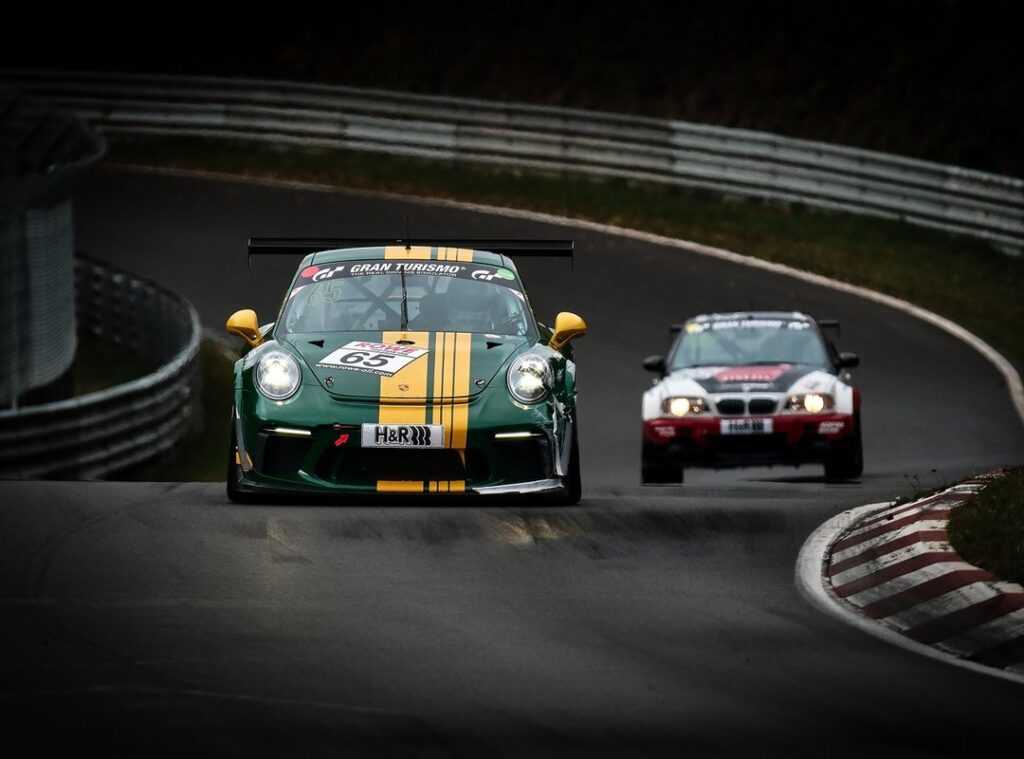
Smoke. Burning rubber. A roar that shakes your teeth.
I stood trackside in ’98 watching a V8 scream past at 190 mph. And I thought that was fast.
It wasn’t.
You’ve seen the modern cars. You’ve watched them corner like they’re glued to the asphalt. You know they’re faster.
But do you know how they got there?
Most fans love the speed. They love the crashes. They love the drama.
But they don’t know the real story behind it.
The Evolution of Racing Fmbmotoracing isn’t just about faster engines or slicker suits. It’s about people betting their lives on machines that barely worked. It’s about rules changing every year.
It’s about safety coming too late. And then changing everything.
Why does that matter? Because if you don’t know where racing came from, you can’t feel what’s at stake now.
You’re already asking: How did we go from wooden wheels to carbon fiber in under 100 years?
This article answers that.
No fluff. No jargon. Just the raw shift.
From danger to data, from instinct to algorithms.
By the end, you’ll watch a race differently. You’ll spot the legacy in every gear shift. You’ll understand why today’s sport feels so urgent (and) so fragile.
That’s the promise.
Chariots, Crashes, and Crazy Drivers
I saw a chariot race in Rome once. (Not really (I) read about it.) But the crowd roared. The dust flew.
People bet real money. Speed wasn’t new. It was always there.
The Evolution of Racing Fmbmotoracing starts long before engines. It starts with sweat, risk, and someone yelling “go!”
Then came cars. Not sleek machines. Clattering, smoking, bolt-together contraptions.
You’d take your road car, jack up the wheels, pray the engine didn’t quit. And race it.
Roads? Barely existed. Gravel.
Mud. Horses still everywhere. Drivers wore goggles and leather caps.
No seatbelts. No helmets. Just guts.
You ever try to fix a carburetor while standing on a dirt road at 3 a.m.? Neither did I. But they did.
And then raced anyway.
The Paris-Rouen race in 1894 wasn’t flashy. It was 79 miles. Judges rated cars on safety, ease of use (and) speed.
(Yes, speed was third on the list.)
They called it a “contest for horseless carriages.” Sounds polite. Felt like madness.
Some cars broke down before leaving town. Others caught fire. One driver steered with a rope tied to the axle.
(True story.)
This wasn’t sport. It was survival (with) applause.
People watched because they couldn’t believe anyone would try it.
You wouldn’t drive that thing today. But you’d click through Fmbmotoracing to see how far we’ve come.
Roaring Engines, Not Just Roaring Parties
I watched my grandfather’s grainy film reel once. A 1923 Brooklands lap. Dust flying.
No helmets. Just goggles and grit.
That was the start of real racing. Not just rich guys tweaking their road cars.
After World War I, people wanted speed. Not just to get somewhere. To feel it.
Factories noticed. Alfa Romeo built the P1 for racing. Not for commuting.
Bugatti did the same with the Type 35. These weren’t souped-up sedans. They were born to race.
You ever try braking a Model T at 80 mph? Neither did they (because) it couldn’t go that fast. But by 1927, a Delage hit 137 mph on a proper circuit.
Brooklands. Monza. Those tracks weren’t cow paths anymore.
They were banked, measured, built for fans to see the action.
Manufacturers didn’t just show up. They fought. Publicly.
Alfa vs. Bugatti. Mercedes vs.
Sunbeam. Rivalries sold tickets (and) parts.
Safety? A leather strap. A padded wall (if you were lucky).
That’s how basic it was.
Speed jumped. Brakes smoked. Drivers bled.
And still, they came back.
This wasn’t hobbyist tinkering. This was commitment. Obsession.
The Evolution of Racing Fmbmotoracing started here (with) grease under fingernails and no safety net.
You think your commute is stressful? Try shifting gears at 110 while dodging gravel on a concrete oval.
They didn’t have data. They had instinct. And guts.
After the War, Racing Took Off
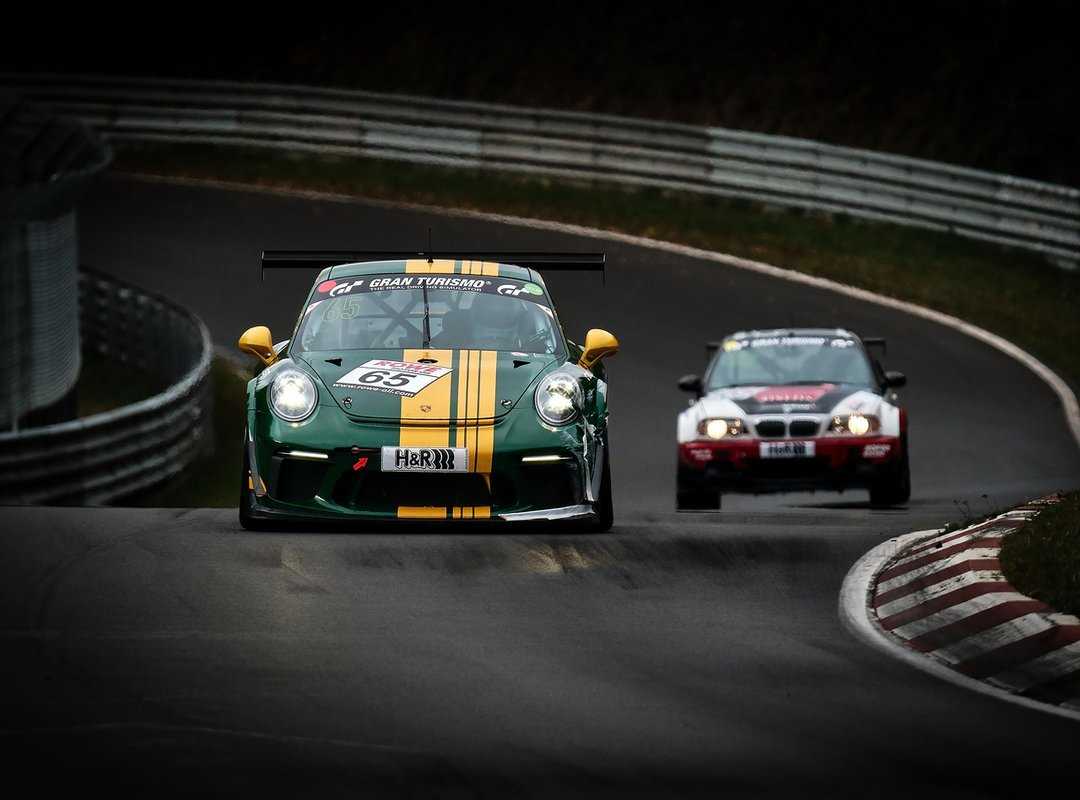
I watched old footage once. Cars smoking. Drivers in open helmets.
No seatbelts. Just guts and gasoline.
The war ended. Factories switched from tanks to tires. Engineers had time.
And money (to) tinker.
Formula 1 started in 1950. Fast, narrow, European. Pure driver skill on tight tracks.
NASCAR fired up in the US South. Big engines. Oval loops.
Smoke, noise, Southern grit.
Le Mans? Twenty-four hours. Rain or shine.
Driver swaps. Headlights cutting through fog at 3 a.m. (I still don’t know how they stayed awake.)
Fans showed up in droves. Not just locals. Japanese engineers studied British chassis.
Argentinian drivers raced in Monaco. It got real, real fast.
Names like Fangio, Moss, and Stirling Moss weren’t just racers. They were legends before the word meant anything.
They crashed. They won. They came back.
Engineers chased power. Then downforce. Then rubber that stuck and lasted.
Tires went from cotton cord to steel-belted in under ten years.
Aerodynamics went from “what’s that?” to “we need wings. Now.”
This wasn’t just racing. It was speed becoming science. And spectacle.
The Evolution of Racing Fmbmotoracing includes this raw, global surge.
You want proof? Look at Motorbike Competition Fmbmotoracing. Same energy.
Same hunger.
No suits. No scripts. Just throttle and track.
That’s how it began.
That’s how it stays alive.
Racing Got Smarter. And Safer.
I remember watching races in the 90s. Cars looked fast but felt fragile. Then computers moved into cockpits.
Not just for show. They changed everything.
Telemetry sends data live. Tire temps, brake wear, g-forces. While the car’s still moving.
You don’t guess anymore. You know.
Aerodynamics got serious. Wings aren’t just bolted on. They’re tuned down to the millimeter.
That wing on a modern F1 car? It can push the car into the track with three times its weight. (Yes, really.)
Safety jumped ahead too. Chassis are carbon fiber monocoques now (they) crumple on purpose to absorb impact. HANS devices stopped neck injuries cold.
Trackside medics arrive in under 90 seconds.
Simulators let drivers race Silverstone or Suzuka before they ever leave the garage. No rain. No traffic.
Just pure muscle memory and data.
This isn’t man vs machine. It’s man with machine. Pushing limits we couldn’t touch twenty years ago.
The Evolution of Racing Fmbmotoracing shows how fast safety and speed grew together. Not separately. Together.
Still wonder how safe it really is?
Is motorcycle racing safe fmbmotoracing breaks down the real risks (no) hype, no gloss.
Your Next Lap Starts Now
I just showed you The Evolution of Racing Fmbmotoracing. Not as a textbook list. As a real human watching chariots kick up dust.
And then hearing an F1 car scream past at 230 mph.
You wanted to understand how we got here. Not just the cars. The people.
The risk. The obsession with going faster, pushing harder, building smarter.
That gap in understanding? It’s gone. You see it now (the) thread from ancient Rome to Silverstone.
Same hunger. Different machines.
Next time you watch a race, you won’t just see speed. You’ll feel the weight of two thousand years behind every turn. Every pit stop.
Every helmet cam shot.
You’ll notice the tech. You’ll respect the bravery. You’ll get why this sport still grabs us by the throat.
So go watch one. Not passively. Watch like you know what’s really happening.
Like you’ve seen the whole story (not) just the last lap.
Hit play. Lean in. Enjoy every second.