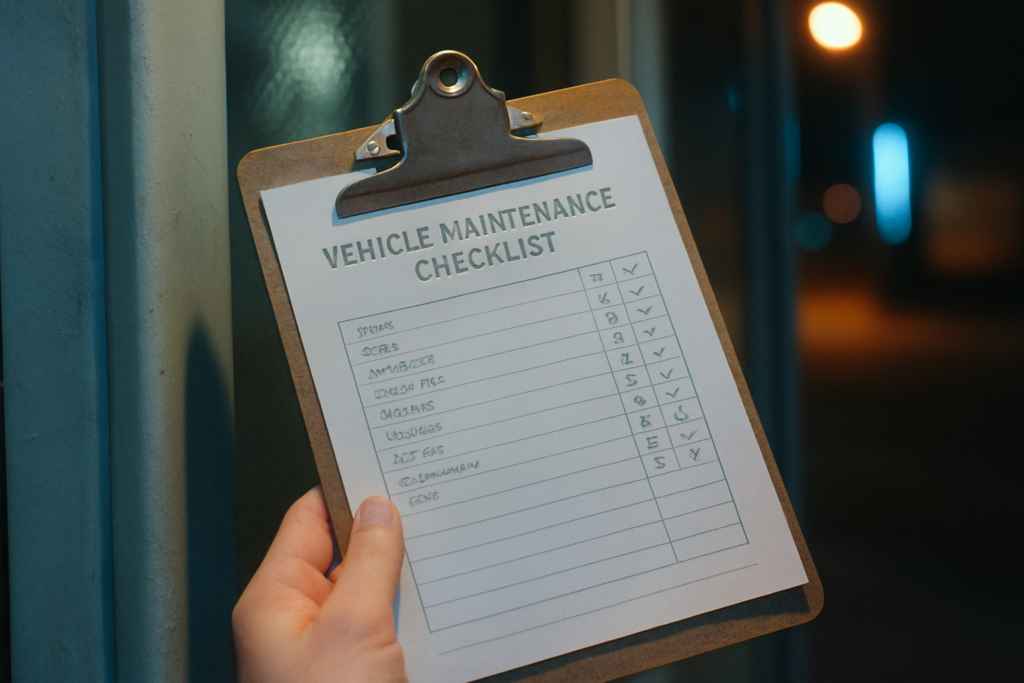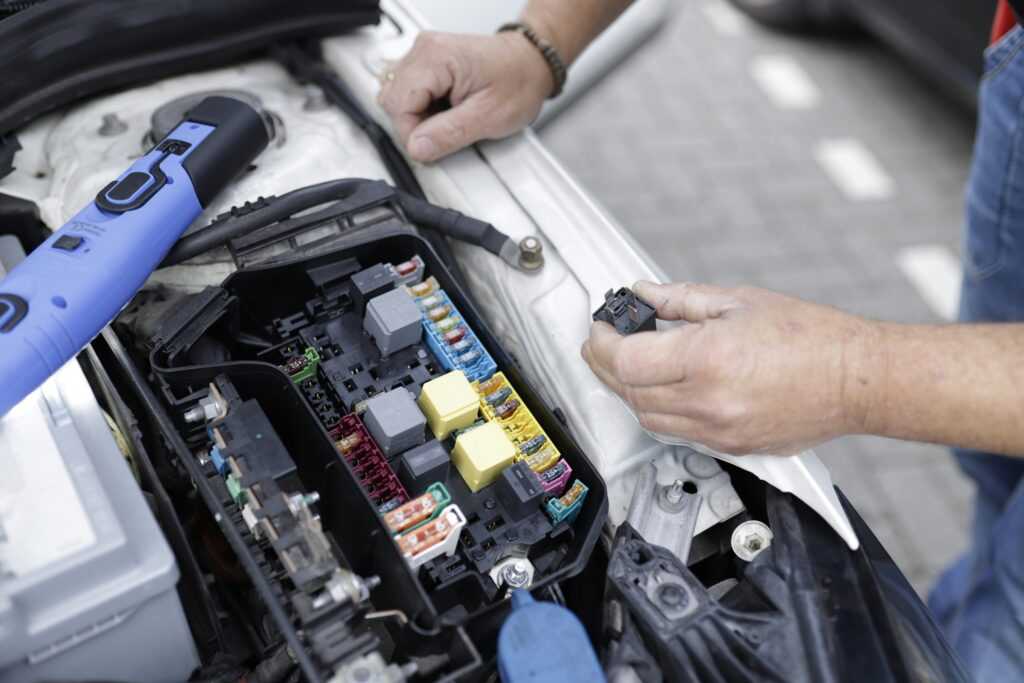

As the scorching Australian summer approaches, preparing your vehicle for extreme heat becomes a top priority for every driver. Most vehicle owners understand the basics of seasonal preparation. You likely already check your tyre tread, inspect your engine coolant levels, and stay on top of your 10 preventive maintenance tips to keep your car running longer. However, while we focus heavily on mechanical reliability, we often overlook the most delicate component of a modern vehicle. That component is the increasingly complex interior technology.
Today’s cars are essentially highly advanced computers on wheels. From massive infotainment touchscreens to delicate environmental sensors, the cabin is packed with expensive electronics. When exposed to the relentless summer sun, these digital systems face severe thermal stress.
Creating a Physical Barrier Against UV Rays
The most effective way to protect your digital displays is to stop the sun before it heats up the interior. While parking in a garage is ideal, it is not always possible when you are at work or running errands. This is where physical UV barriers become essential. Deploying shades can dramatically reduce cabin heat while protecting sensitive materials.
For the best results, it is crucial to use a product tailored specifically to your exact window dimensions. For example, if you own an Outlander or Triton, fitting custom Mitsubishi sun shades ensures there are no gaps for UV rays to slip through. A precise fit blocks direct sunlight from striking the dashboard, preventing the physical warping of plastic trims and saving your expensive LCD screens from direct solar radiation.
The Hidden Danger to Dashboard Electronics
Modern automotive displays use liquid crystal technology and complex adhesives that are highly vulnerable to prolonged heat exposure. When left baking in a sun-drenched parking lot, the interior of your vehicle turns into a greenhouse. The resulting temperature spikes can cause screen delamination, pixel failure, and unresponsive touch panels.
The speed at which this environment becomes hazardous is alarming. According to experts at Rutgers University, a parked vehicle’s interior temperature can rise by 20 degrees in just 10 minutes, even with the windows cracked. This rapid heat accumulation places immense strain on dashboard electronics that are simply not designed to withstand sustained oven-like conditions. Over time, repeated exposure to these extremes will significantly shorten the lifespan of your vehicle’s smart driving systems.
Best Practices for Tech Protection in Summer
Apart from using window barriers, there are several smart strategies you can implement to safeguard your car’s interior technology. Combining physical accessories with mindful parking habits will drastically reduce the thermal load on your electronics.
Here is a practical checklist to help you manage cabin temperatures during the hottest months:
- Seek strategic parking: Always look for shaded spots, underground car parks, or multi-level facilities. If you must park outdoors, try to face the rear of your vehicle towards the sun. Most rear windows have a factory tint that offers slightly more protection than the clear front windscreen.
- Leverage smart climate features: If you drive an electric vehicle or a modern hybrid, take advantage of remote cabin preconditioning. Activating the climate control from your smartphone a few minutes before you get in helps cool down the screens and sensors before they are put to use.
- Crack the windows safely: Leaving your windows down by just a few millimetres allows trapped hot air to escape. While this does not stop direct UV damage, it helps lower the overall ambient temperature surrounding your digital cluster.
- Care for your screens properly: Never use harsh chemical cleaners on your infotainment displays, especially when the screen is hot. Heat makes the anti-glare coating highly susceptible to scratching. Instead, keep a clean microfibre cloth in the glovebox to gently wipe away dust.
- Cover exposed gadgets: If you use aftermarket devices like dash cams or standalone GPS units, remove them from the windscreen or cover them with a light-coloured cloth when parked in direct sunlight.