
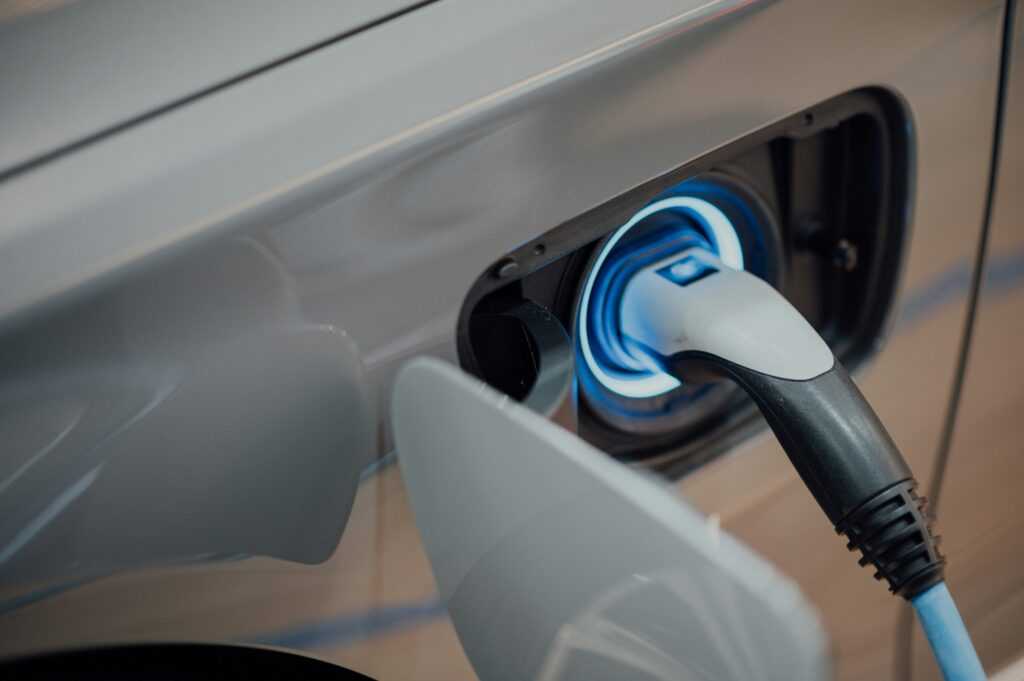
The transition to electric vehicles is often discussed in terms of batteries, charging infrastructure and environmental impact. Yet one of the most profound changes is happening in a place many drivers don’t immediately notice: the design of the car itself.
Electric powertrains are quietly reshaping how vehicles look, how they are structured and even how drivers interact with them. Freed from many of the mechanical constraints that defined the internal combustion era, designers now have an entirely new canvas to work with.
What’s emerging is not just a different type of vehicle, but a different philosophy of automotive design.
The End of the Traditional Front End
For more than a century, the front of a car was dominated by one critical requirement: cooling the engine.
Large grilles allowed air to pass through radiators and into the engine bay, becoming a defining visual element of automotive identity. Brands spent decades developing distinctive grille designs that became instantly recognisable.
Electric vehicles, however, generate far less heat and do not require the same airflow. As a result, the traditional grille is gradually disappearing.
Many modern EVs now feature closed or partially sealed front ends, improving aerodynamic efficiency while also giving vehicles a cleaner, more minimalist appearance. Instead of air intakes, designers are experimenting with sculpted panels, lighting signatures and subtle textures to define brand identity.
The front of the car is no longer purely functional. It has become a design statement.
Aerodynamics Has Become the New Design Priority
While petrol vehicles certainly benefited from aerodynamic efficiency, the effect was often secondary to styling choices. Electric vehicles change that equation.
Every improvement in airflow efficiency can translate into additional driving range. Even small reductions in drag can make a measurable difference.
As a result, EV design increasingly prioritises smooth surfaces, tapered rooflines and carefully shaped body panels that guide air across the vehicle with minimal resistance.
Flush door handles, smooth underbodies and streamlined mirrors are becoming common features. Wheels are often partially covered to reduce turbulence, and sharp edges are replaced with softer transitions between surfaces.
What may look like a simple design trend is often the result of extensive aerodynamic modelling behind the scenes.
Rethinking Interior Space
Without a large combustion engine, gearbox tunnel and complex exhaust system, electric vehicles allow designers to reimagine how interior space is organised.
Battery packs are typically mounted beneath the floor, lowering the centre of gravity and freeing up space inside the cabin. This shift allows for flatter floors, more legroom and greater flexibility in seating layouts.
In many EVs, the cabin begins further forward in the vehicle’s structure, creating a roomier feel despite similar external dimensions.
The absence of traditional mechanical components also opens the door for new storage solutions. Front trunks, or “frunks”, have become an increasingly common feature in electric vehicles, providing extra luggage capacity where the engine once sat.
These changes may seem subtle, but they fundamentally alter how designers approach vehicle packaging.
Lighting Is Becoming a Signature Feature
As grilles shrink and bodywork becomes smoother, lighting is stepping into the spotlight as a key element of automotive identity.
LED technology allows for far greater flexibility in shape, brightness and animation. Designers are using this freedom to create distinctive lighting signatures that extend across the width of the vehicle or wrap around its corners.
In some models, lighting sequences activate when drivers approach the car, turning the act of unlocking a vehicle into a small visual performance.
This trend reflects a broader shift in the industry: as mechanical differences between vehicles become less visible, design elements such as lighting take on a greater role in brand recognition.
The Influence of Technology Culture
Electric vehicles are often developed alongside advanced digital systems, from driver assistance technology to large touchscreen interfaces. Unsurprisingly, this technological foundation is influencing how vehicles are designed visually.
Many EV interiors adopt a minimalist aesthetic inspired by consumer electronics. Physical buttons are reduced, surfaces become cleaner and digital displays take centre stage.
This approach mirrors broader trends in technology design, where simplicity and user interface integration dominate.
However, the balance between digital convenience and tactile usability remains a subject of debate among drivers and designers alike. Some manufacturers are beginning to reintroduce physical controls for frequently used functions after feedback from drivers who prefer a more intuitive interaction.
Design evolution, it seems, is rarely a straight line.
The Rise of Personalisation
As electric vehicles become more common, differentiation is becoming increasingly important for both manufacturers and owners.
Unlike the early days of EV adoption, when novelty alone made these vehicles stand out, today’s market is growing rapidly. Personalisation is therefore playing a larger role in how drivers express individuality through their cars.
Subtle aesthetic choices — from wheel designs to lighting patterns and exterior accents — allow owners to shape the identity of their vehicles.
Even details such as registration plates can contribute to this sense of personal expression. Businesses connected to vehicle identity, including companies like Number 1 Plates, have noticed growing interest from drivers who view their cars not simply as transport, but as part of a broader personal statement.
As EVs become mainstream, these individual touches help vehicles maintain a sense of uniqueness.
Materials and Sustainability
Electric vehicle design is also influencing the types of materials used inside the cabin.
Many manufacturers are experimenting with recycled plastics, plant-based fabrics and alternative leathers made from sustainable sources. These materials align with the environmental ethos often associated with electric mobility.
Beyond sustainability, they also introduce new textures and finishes that expand the palette available to designers.
The result is a subtle shift away from traditional automotive materials toward something closer to modern interior design.
A New Design Language for the Automotive Era
The shift to electric vehicles is not just an engineering transition; it represents a broader transformation in how cars are conceived.
Freed from the physical constraints of combustion engines, designers now have greater freedom to experiment with proportions, surfaces and spatial layouts. Vehicles are becoming quieter, smoother and more integrated with digital ecosystems.
Yet despite all the technological changes, the core purpose of automotive design remains the same: creating machines that people connect with emotionally.
The quiet revolution happening in electric vehicle design may not always grab headlines, but it is reshaping the visual language of the modern car.
And as electric mobility continues to evolve, the vehicles appearing on our roads will increasingly reflect a future where technology, identity and design are more closely intertwined than ever before.