You know the feeling. You’re cruising down Deerfoot Trail, heading south past the airport. The sun is shining, but there’s that ominous grey cloud hanging over the mountains to the west. A Chinook is rolling in. Your head starts to throb a little. Suddenly, brake lights. A sea of red. Everyone slams on the brakes because someone three kilometres ahead decided to change lanes without looking. It’s the Calgary classic.
Driving here is… unique. It’s a mix of big city aggression and small-town hesitation. You’ve got trucks the size of small houses weaving through traffic on Stoney Trail, and then you have folks merging onto a 100 km/h highway at a polite, terrifying 60 km/h. It keeps you on your toes. But what happens when your luck runs out? When that patch of black ice on a bridge deck catches you off guard, or someone runs a red light on Macleod?
It’s loud. That’s the first thing nobody tells you. The sound of metal on metal isn’t a dull thud; it’s a sickening crunch that stays with you. Then, silence. For a split second, the world stops. And then the chaos begins.
The Immediate Aftermath: Breathe, Then Act
Panic is the enemy. It really is. Your heart is going to be hammering against your ribs like it wants to break out. That’s normal. But you have to push that down. Are you hurt? Check your passengers. If everyone is breathing and conscious, that’s a win.
Get off the road if you can. If your ride is still drivable, move it. There’s a misconception that you have to leave the vehicles exactly where they landed, like it’s a crime scene from a movie. Unless there’s a serious injury or the car is totaled, get it out of the way. The drivers behind you, already late for work, will thank you.
Exchange info. And not just a quick scribble on a napkin. Get your phone out. Take pictures of everything. The license plate. The damage to both cars. The position of the vehicles. The road conditions. Was it snowy? Was the sun in your eyes? Snap a photo of the other driver’s insurance pink card. Don’t trust them to text it to you later. People get weird after accidents. They might seem nice in the moment, apologetic even. “Oh, I’m so sorry, totally my fault!” But give it 24 hours. Once they talk to their spouse or their insurance broker, that story might change. “He came out of nowhere!” suddenly becomes the narrative. Documentation is your shield.
Navigating the Alberta Insurance Maze
Here is where things get sticky. Alberta’s insurance system has changed recently. You might have heard the term DCPD thrown around. Direct Compensation for Property Damage. Sounds fancy, right? Basically, it means your own insurance pays for your car repairs, even if the other guy was at fault. It’s supposed to streamline things. Make it faster. No more waiting for the other driver’s insurance company to cut a check for your bumper.
But don’t let that lull you into a false sense of security. That’s just the metal and plastic. What about you?
The bodily injury side of things hasn’t become simpler. In fact, it can feel like a labyrinth designed to make you give up. Insurance adjusters are trained negotiators. They handle hundreds of claims a week. You handle… well, hopefully none. Maybe one or two in a lifetime. Who do you think has the upper hand? They might offer you a quick settlement to close the file. A few thousand dollars to sign away your rights. It looks tempting when you have bills piling up and missed time at work.
But what if that stiff neck isn’t just a stiff neck? What if it’s a chronic issue that flares up every time the pressure drops? This is why so many Calgarians stop trying to be the hero and seek professional guidance. It’s often necessary to bring in car accident lawyers Calgary residents trust to level the playing field. They understand the nuances of the “Cap” on soft tissue injuries and can tell you if your claim falls outside of those limits. You don’t know what you don’t know, right? And when you’re going up against a massive corporation, ignorance is expensive.
You have to ask yourself: Do I really understand the difference between a Section B benefit and a tort claim? Most of us don’t. We just pay our premiums and hope for the best. But when the worst happens, having someone in your corner who speaks the language of liability can make the difference between a fair recovery and a financial disaster.
The Physical Toll: It’s Not Just Metal
Let’s talk about the body again for a second. Adrenaline is a powerful drug. Right after the crash, you might feel fine. Maybe a little shaken, but physically okay. You tell the police, “I’m good.” You tell the other driver, “No injuries.”
Then you wake up two days later.
It starts as a dull ache at the base of your skull. Then your shoulders feel like they’re made of concrete. Whiplash is a beast. It doesn’t always show up on an X-ray, but it can derail your life for months. Physiotherapy, massage, and chiropractic adjustments—it becomes a part-time job just getting back to normal.
And the mental side? Driving past that same intersection on 16th Avenue might make your palms sweat. You might find yourself flinching when a car merges too close. It’s a trauma response. We brush it off because we’re tough, right? We’re Albertans. We drive in -30 weather. But a crash shakes your confidence. It’s okay to admit that.
Recovery isn’t linear. Some days you feel great; other days you can’t turn your head to check your blind spot. Be patient with yourself. Don’t rush back to heavy lifting or high-impact sports just because you think you should be healed by now. Listen to your body, not the calendar.
Getting Back on the Road
Eventually, the dust settles. Your car is either fixed or written off. If it was the latter, you’re in the market for a new ride. Or maybe you got your baby back from the shop, but it feels… different. You want to fall in love with it again.
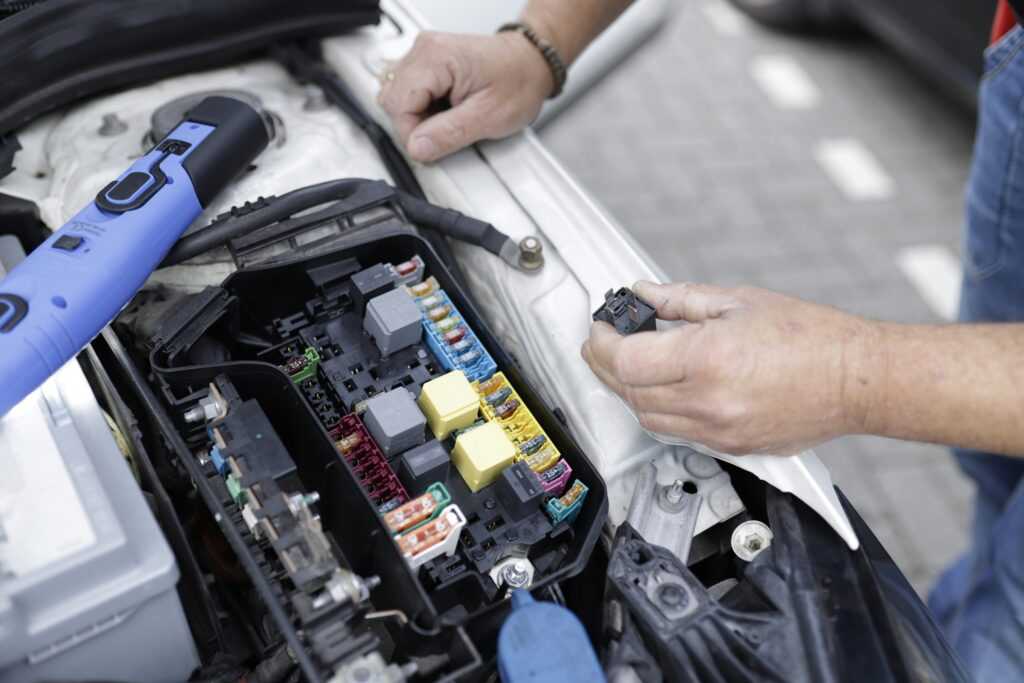
This is actually a great time to look at premium automotive upgrades to boost your vehicle’s performance or safety. Maybe better lighting for those dark winter commutes? A dash cam is another solid investment—honestly, in a city of over a million people, driving without one is a gamble. It’s the ultimate impartial witness.
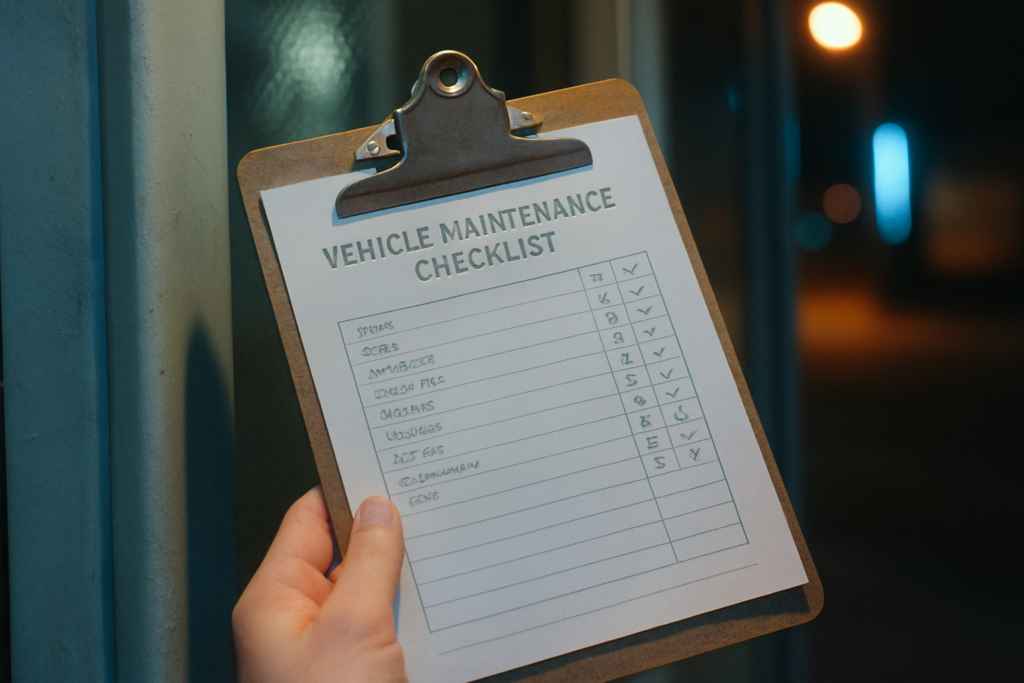
But even if you’re just doing routine maintenance, pay attention to the details. Tires. Brakes. Fluids. We push our cars hard here. The freeze-thaw cycle destroys pavement, and it destroys suspensions. If your car feels loose or makes a clunking sound over bumps, get it checked. Don’t ignore it. A well-maintained vehicle is a safer vehicle, and after an accident, safety tends to move up the priority list pretty quickly.
The Long Game
Dealing with a claim can take time. We’re talking months, sometimes years, if the injuries are complex. It’s a marathon, not a sprint. There will be paperwork. So much paperwork. Medical reports, income loss statements, and accident reports.
Keep a file. A physical one or a digital one. Every receipt. Every doctor’s note. Every email from the adjuster. Organization is your best friend when your memory gets fuzzy. “Wait, did I see the physio on the 12th or the 14th?” Your records will know.
And don’t let the process consume you. It’s easy to get bitter. To get angry at the driver who hit you. To get frustrated with the slow pace of the legal system or the insurance bureaucracy. But carrying that anger is heavy. It doesn’t speed anything up. Focus on getting better. Focus on your family. Let the experts handle the fight while you handle the healing.
Driving in this city is a necessity. We sprawl. We commute. We escape to the mountains on the weekends. Accidents are an unfortunate statistical reality of that lifestyle. But they don’t have to define your financial future or your long-term health. Be prepared. Be smart. And watch out for that guy merging on Deerfoot. You know the one.