The Current Pain Points with Plug In Charging
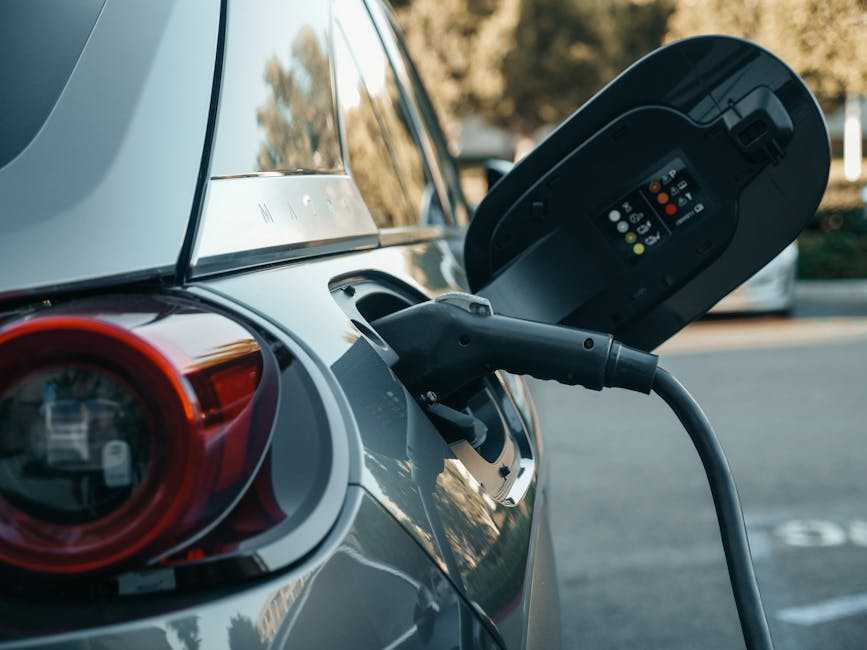
For all the noise around EV innovation, charging still feels stuck in the past. Most EV owners rely on old school physical cables, the kind you have to dig out of the trunk, plug in manually, and hope the port isn’t already taken. It’s functional, sure but far from frictionless.
Access is a major issue. Public charging stations are limited and often concentrated in urban hubs, which leaves large gaps across suburbs, highways, and rural areas. Wait times can stretch long, especially during peak hours, and when hardware fails which it often does after heavy use it means downtime for everyone.
Infrastructure is moving at a slower pace than EV adoption. While automakers are rolling out new electric models by the quarter, station networks aren’t expanding fast enough to meet demand. The result? A user experience that feels dated, clunky, and full of compromises one that’s starting to hold the entire EV movement back.
What Wireless Charging Solves
Plug in, unplug, repeat. That’s been the EV routine so far and frankly, it’s getting old. Wireless charging cuts the cord entirely. With drop and charge systems, all you need to do is pull into a spot and walk away. Power transfers automatically from a ground coil to a receiver under the car. No fiddling with cables, no worrying about whether the port is icy, broken, or already in use.
This kind of frictionless charging matters. Most EV owners charge daily or close to it. Removing that extra task from your routine adds real convenience. Over time, it’s not just about comfort it also keeps wear and tear down on charging hardware and reduces those dumb but common failures that throw off a road trip.
For fleets and frequent drivers, wireless means planning less and moving more. Park, charge, go. That’s how EVs start to feel more like invisible tech and less like a chore.
How the Tech Actually Works

At the heart of wireless EV charging is inductive charging the same basic principle behind wireless phone chargers, just scaled up. It works through power transfer between two coils: one embedded in the ground (the pad), and another integrated into the vehicle (the receiver). When aligned, these coils use an electromagnetic field to move energy without physical contact.
The setup is simple in theory: drive over a compatible ground pad and the vehicle starts charging automatically. Static systems charge while the car is parked. More ambitious versions, known as dynamic systems, aim to transfer power while the vehicle is in motion picture charging while you cruise down a modified highway lane.
This isn’t just a neat trick. Wireless charging cuts down on wear and tear, eliminates cable clutter, and removes day to day friction for EV owners. Engineers are also making steady progress on safety protocols, improving energy transfer efficiency, and developing compatibility standards so different car brands can use the same pads. The tech isn’t perfect yet, but it’s out of the lab and headed for driveways, garages, and maybe even main roads.
Real World Progress You Might’ve Missed
The shift to wireless EV charging isn’t just a cool idea anymore it’s happening on real pavement. Cities across the U.S. and Europe have started pilot programs to test public wireless charging pads. Some are embedding these pads into curbside parking zones and taxi stands, aiming to make charging as seamless as parking.
Automakers aren’t waiting on permission slips. Companies like BMW, Hyundai, and Volvo are working with tech firms to release wireless ready models. These vehicles come equipped with onboard receivers, ready to pair with ground pads as soon as the infrastructure is in place.
It’s not just private cars. Parking garages are testing wireless spots in high traffic areas. Ride hailing fleets, especially in urban centers, are slowly rolling out enabled vehicles to cut downtime. Logistics firms are in the mix too, targeting overnight depot charging with less hands on hassle. The industry’s looking beyond just speed convenience, automation, and scale are driving this push.
Learn more about wireless EV charging here
Bigger Picture: Transforming Infrastructure and Behavior
The biggest shift wireless EV charging brings isn’t just about convenience it’s about changing the entire refueling experience. Picture this: no more parked cars tangled in cables or drivers circling for open charging ports. Instead, universal charging pads could be embedded everywhere from residential driveways to city sidewalks, mall parking lots to public streets. Park your car, walk away, and it charges. Simple.
This opens the door to normalizing EV use far beyond early adopters. People won’t need to think ahead about charging plans or compete for stations. That kind of ease kills a lot of the current hesitation around going electric.
Beyond day to day use, wireless charging pairs naturally with smart grids. Pads can be programmed to charge vehicles when energy is cheapest or most abundant. Dynamic pricing, off peak optimization all of this becomes smoother behind the scenes. It’s not just about the car. It’s about an ecosystem that works better for everyone, without demanding much from the driver.
What to Watch Moving Forward
Wireless EV charging isn’t truly ready for mass adoption until one key piece falls into place: standardization. Right now, compatibility varies across automakers and charger tech providers. That’s changing. Industry groups are working out universal protocols, pushing to make it as seamless as plugging in a USB C. Cross brand compatibility means any car can charge on any pad, no questions asked. That’s the future.
Cities are also stepping in. Urban centers from Oslo to Los Angeles are piloting wireless charging zones curbside pads, parking spaces, even taxi queues. When this infrastructure scales, topping up won’t be a chore it’ll just happen. Expect warehouses, airports, and public garages to follow suit.
Then there’s the next layer: how this ties into autonomous vehicles. Picture fleets of self driving EVs roaming downtown, stopping briefly in marked spots to recharge while passengers hop in or out. No humans needed for plugs. Just alignment, charge, and go. It’s early, but the blueprint is being drawn now.
Explore the full impact of wireless EV charging