Engine Oil
Engine oil is your car’s lifeblood. It lubricates the moving parts inside the engine, pulls heat away from critical components, and keeps metal from grinding metal. Neglect it, and things break fast.
Even if you’re running on full synthetic, check your oil once a month. Don’t wait for the dashboard light. A small leak or slow burn can drop the level too low before you notice it.
What you’re checking: Level, color, and consistency. Oil should fall between the dipstick’s min and max markers. A healthy color is amber to light brown. If it’s dark, gritty, or smells burnt, it’s time for a change.
For the most accurate read, make sure the engine is cold and parked on level ground. Use a clean dipstick, wipe it, dip again, and check. Quick and simple.
Need a full walkthrough? Check out our fluid check guide.
Coolant / Antifreeze
Why Coolant Matters
Coolant (also known as antifreeze) plays a vital dual role:
Prevents overheating in high temperatures by pulling excess heat from the engine
Protects against freezing in cold weather, which can damage engine parts and hoses
Keeping your coolant in check means keeping your engine running at the proper temperature year round.
Where to Find It
Coolant is typically stored in a translucent overflow reservoir located near the radiator. The tank is often marked with “MIN” and “MAX” lines to show proper fill range.
What to Look For
When inspecting your coolant monthly, consider these key signs:
Color: Healthy coolant is usually bright green, orange, pink, or yellow depending on the type. A faded or rusty color may indicate contamination.
Level: Fluid should fall between the MIN and MAX lines; if it’s low, there may be a leak.
Clarity: It should be relatively clear. Cloudy or sludgy coolant may suggest system problems requiring attention.
Safety First
Never open the radiator cap when the engine is hot. The system is pressurized and can cause serious burns from steam or boiling fluid.
Always check when the engine is cool for an accurate reading and safe handling.
If you notice consistently low levels, strange smells, or sludge in the coolant, have the system checked by a trusted mechanic.
Transmission Fluid
Transmission fluid doesn’t get the spotlight often, but ignoring it can get expensive fast. It’s what keeps your gears shifting smoothly and protects everything inside your transmission from wearing down. Skip the monthly check, and you’re rolling the dice on one of your car’s most expensive systems.
Checking it isn’t complicated just make sure to check your car’s manual first. Some vehicles require the engine to be running and warmed up for an accurate reading. Others don’t. Either way, use the dipstick and inspect both the level and the condition.
What you’re looking for: a clean, pinkish red fluid. If it’s dark or smells burnt, that’s a warning sign. Don’t ignore it.
Transmission problems often start quiet slight lag in shifting or a small jolt. Left unchecked, they grow into very loud, very costly problems. A quick monthly check goes a long way in catching issues early.
Brake Fluid
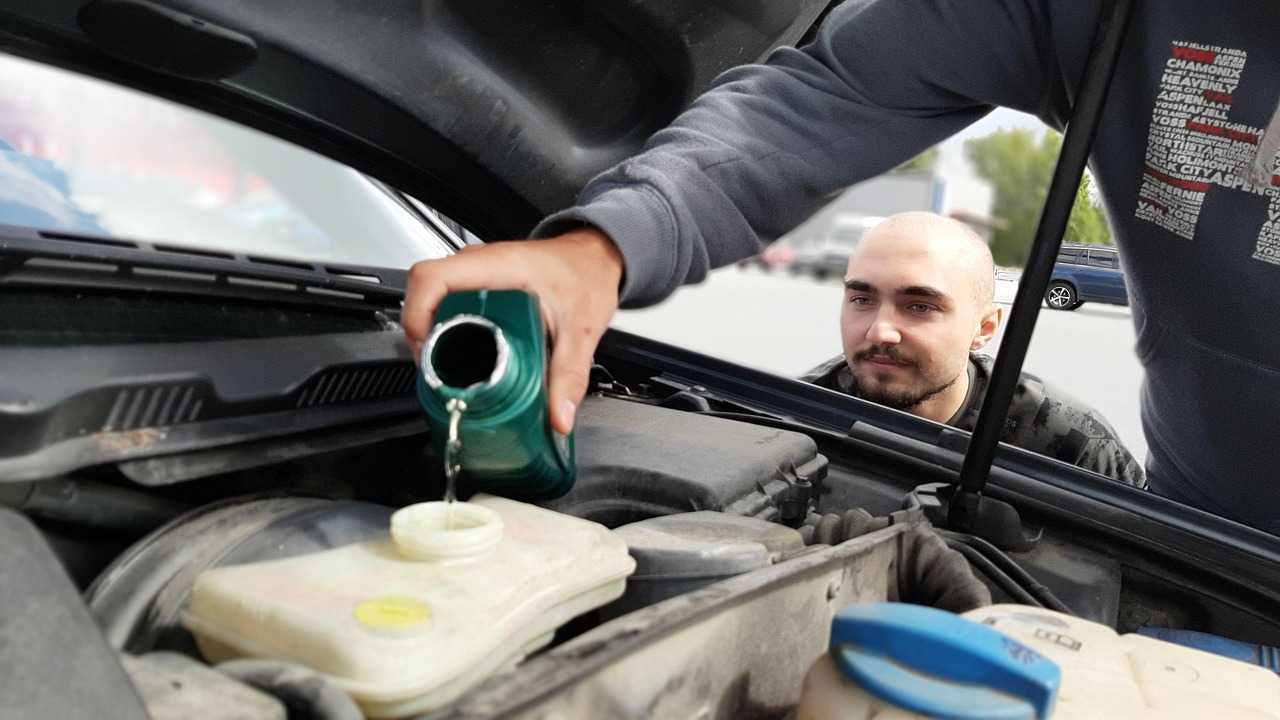
Brake fluid might be easy to forget, but it’s absolutely critical. It converts the force from your foot on the brake pedal into pressure that slows your vehicle. If it’s not working properly, neither are your brakes.
You’ll find the brake fluid reservoir near the back of the engine bay usually a small, clear container with ‘MIN’ and ‘MAX’ markings. The fluid inside should be a light, almost honey color. If it’s dark or sitting below the ‘MIN’ line, that’s a red flag.
Here’s the key: don’t just top it off and move on. Low brake fluid could be a sign of worn brake pads, a leak in the brake lines, or another issue that needs attention. Have it checked out. Brakes aren’t something you want to guess about.
Power Steering Fluid
Power steering fluid keeps your steering smooth and light, making tight turns and parking effortless. It also protects the hydraulic system that powers the steering so when it’s off, you’ll feel it.
If turning the wheel feels stiff or you hear high pitched whining when steering, that’s a red flag. You might be running low, or the fluid may be contaminated.
A healthy system needs fluid that’s clean, not dark or gritty, and at the right viscosity not too thick, not too thin. Check the level monthly, especially if your car’s older or you drive in extreme temps. Pop the hood, find the reservoir (usually labeled), and check the markings. Top up only with the fluid type recommended in your manual.
Skipping this check can wear out your steering pump an expensive fix for something that takes two minutes to prevent.
Windshield Washer Fluid
It’s not glamorous, but washer fluid matters more than you think. Can’t clear your windshield in a snowstorm or after a dusty highway stretch? That’s a hazard, not just an annoyance.
Use actual washer fluid never substitute plain water if you live where temperatures drop. Water freezes. Fluid doesn’t. It’s designed for grime, bugs, salt, and frost.
Topping it off takes a minute. Make it a habit, especially during winter or rainy seasons when road spray and visibility problems spike. A clear windshield is a safer drive. Simple as that.
Stay Consistent, Stay Safe
Taking just a few minutes each month to check your vehicle’s fluids can save you from unexpected breakdowns and expensive repairs. Staying ahead of maintenance ensures your car stays reliable year round.
Why Monthly Checks Matter
Prevent Major Repairs: Early signs of issues like dark brake fluid or low transmission levels can be handled before they escalate.
Improve Safety: Critical systems like brakes and steering rely on clean, full fluids.
Extend Vehicle Life: Well maintained fluids reduce wear and protect vital components.
Build a Monthly Fluid Check Routine
Consistency is the key to long term vehicle health. Designate one day each month to inspect all essential fluids:
Engine oil
Coolant/antifreeze
Transmission fluid
Brake fluid
Power steering fluid
Windshield washer fluid
Learn More with Our Complete Guide
For detailed instructions on how to check each fluid correctly, including tools and safety tips, check out our full guide:
Beginner’s Guide to Checking Your Car’s Fluids
A simple routine can keep you and your car on the road with fewer surprises.